What Are Bean curd sheets and How Can I Use Them?
If bean curd sheets have turned up in a recipe or caught your eye at the store, here's what you need to use them with confidence and how to choose them, cook them, store them, what to substitute, and 8 recipes to try them in.

Key Points
- Dried soy-milk skin, also called yuba or tofu skin, prized for a chewy, almost meaty bite.
- Soak dried sheets in warm water 10 to 20 minutes until foldable, then pat dry before use.
- Wrap fillings, simmer in soup, or layer and roll tight for chewy vegetarian mock meat.
- Over-soaking makes them tear; pull them while still slightly firm and finish softening in the pan.
- Sealed and dry they keep for months; use rehydrated sheets within a day or two.
What are bean curd sheets?
Bean curd sheets are thin, pliable sheets skimmed off the top of simmering soy milk and dried, the same skin that forms on warm dairy milk. They come from the soy world, but they are not tofu.
Where tofu is set into a soft block, bean curd sheets are lifted off as a film and dried flat or folded into sticks.
In Chinese markets you will see them labeled yuba or tofu skin. They have a faint, nutty soy flavor and a chewy, almost meaty bite once rehydrated, which is why vegetarian and Buddhist cooking leans on them so heavily as a stand-in for meat.
Sold dry, they look like brittle, pale-amber sheets or knotted sticks. A quick soak turns them supple and ready to wrap or braise.
How to Use Bean Curd Sheets
Most dried sheets need a soak before they bend. Cover them in warm water for 10 to 20 minutes until they go from stiff to leathery and foldable, then pat them dry so they do not water down whatever you wrap.
Their best trick is wrapping. Lay a softened sheet flat, pile seasoned vegetables or minced filling along one edge, and roll it tight into a log. That is the whole idea behind Bean Curd Rolls and Veggie Tofu Sheet Rolls, where the skin crisps and browns around a savory center.
They also work in soup and braises, where they drink up the broth and turn silky. A few torn pieces give Asian Miso Soup body without any meat, and they soak up dark soy and star anise in a long braise.
For the chewy mock-meat effect, sheets get layered, then rolled tight and steamed, which is the backbone of dishes like Mock Chicken Buddhist. The tighter you roll, the denser and more meat-like the result.
Pairing and Common Mistakes
Bean curd sheets belong to the savory soy pantry, so they pair with soy sauce, sesame oil, ginger, scallion, shiitake, and five-spice. Because their own flavor is mild, a well-seasoned filling or braising liquid does the real work, and they carry it well.
The most common mistake is over-soaking. Left too long, the sheets turn fragile and tear when you try to roll them, so pull them out while they still have some structure and finish softening them as they cook.
The second mistake is skipping the pat-dry. A wet sheet will not brown, and it may steam instead of crisping in the pan, so blot off the surface water before frying.
Substitutes
There is no exact swap, since the chewy, layered texture is hard to copy. For wrapping, fresh spring roll wrappers or rice paper will hold a filling, though they crisp and tear differently and bring none of the soy flavor.
Fresh tofu skin, the un-dried version sometimes sold in the refrigerated case, works directly and needs no soaking. Use it as is.
For the mock-meat role in a braise, firm or pressed tofu sliced thin will absorb sauce and add protein, but it stays soft rather than chewy, so you trade the signature bite for convenience.
Buying and Storing
Look for bean curd sheets in the dried-goods aisle of a Chinese or Asian grocery, sold flat in folded sheets or as twisted bean curd sticks. Choose pieces that are a clean pale yellow and intact, and pass on any that look gray, speckled, or crumbling.
Dried and sealed, they keep for many months in a cool, dry cupboard. Their main enemy is moisture, which makes them go soft and eventually moldy, so keep the bag airtight and away from steam.
Once soaked, treat them like fresh food. Use rehydrated sheets the same day, or keep them covered in the fridge for a day or two at most, and discard any that turn slimy or sour-smelling.
Quick facts
- In Chinese
- 豆腐片
- British (UK) term
- Bean curd sheets
- en français
- feuilles de haricot caillé
- en español
- hojas de cuajada de frijol
Recipes using bean curd sheets
There are 8 recipes that contain this ingredient.
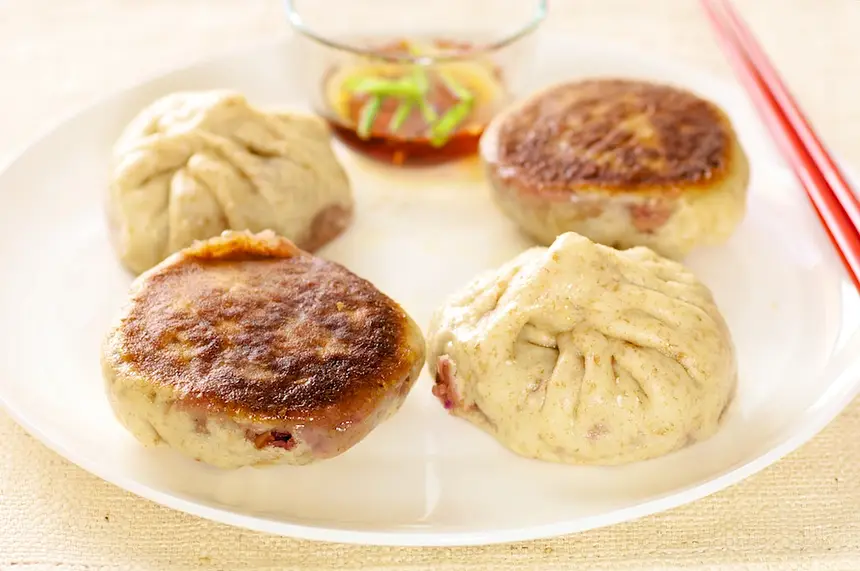
Cabbage & Shiitake Pot Sticky Buns


After a few potsticker recipes, I finally made my very first bunch of pot sticky buns (another popular food in China). They came out soft, and quite delicious. Nicely browned and crispy at the bottom. It's an excellent way to use up some of our fresh veggies.
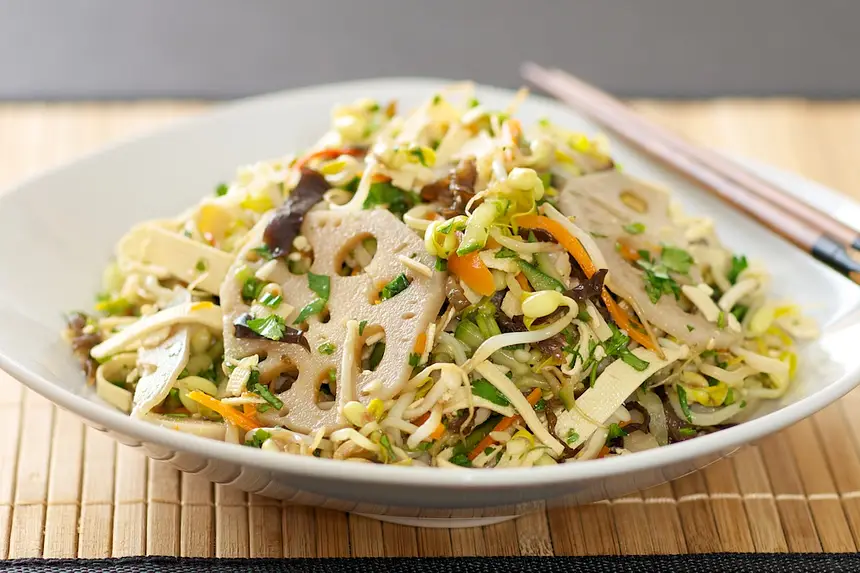
Chinese Veggie Salad with Soy Dressing
This light yet tasty Chinese veggie salad is made with bean sprouts, lotus root, carrot, cucumber, black mushrooms, and tofu sheet, then tossed with a soy-rice vinegar-sesame oil dressing. A refreshing side dish that goes well with most of the main dishes, or just serve it with some steamed rice to complete a delicious meal.
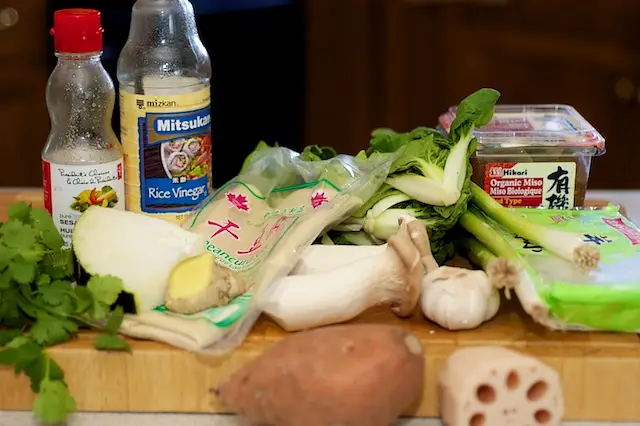
Asian Miso Soup
Love miso, the fermented flavor gives the dish incredibly delicious taste. I developed this recipe, and use miso and water as the base, add fresh Asian vegetables, and let boil for a few minutes. I always have the soup with some Korean Kimichi. Here the recipe is.
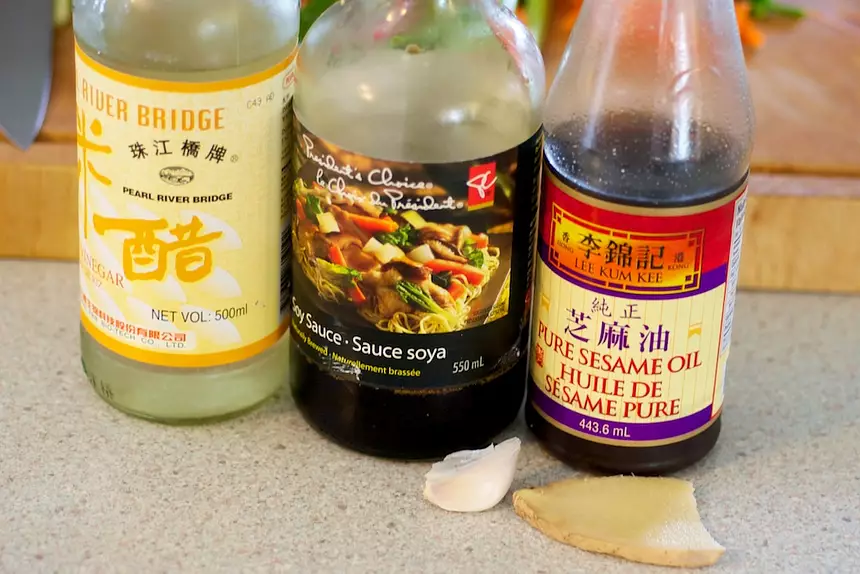
Veggie Tofu Sheet Rolls
This classic Chinese appetizer can be found in many of Chinese restaurants. Fresh and crunchy veggies are wrapped into fresh tofu sheets, very similar way to wrap sushi. Usually served with soy-sesame or spicy dipping sauce.
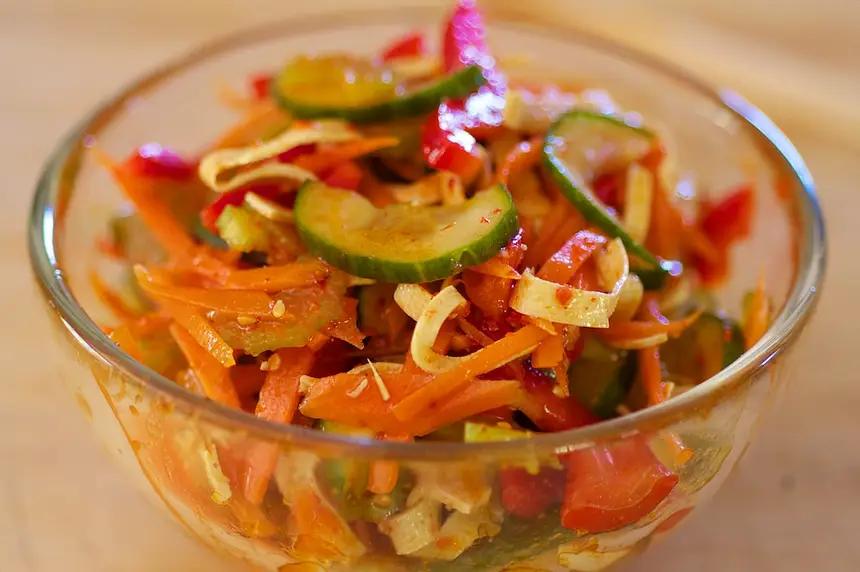
Korean Sweet-Sour Cucumber Salad
This Korean inspired cucumber salad is sweet, sour and slightly spicy. Cucumber, sweet bell pepper, carrots and tofu sheets are tossed with rice vinegar, maple syrup, sesame oil and Korean chili pepper. A delicious and light side dish.
Bean Curd Rolls
A classic yet tasty Chinese appetizer. Assorted fresh and crunchy vegetables are wrapped into bean curd sheets, and serve these delicious small bundles with some soy, sesame oil and chili sauce, yum.
Bean Curd Skin Rolls
Bean curd skin rolls wrap shredded mushrooms, dried tofu, celery, and carrot in fresh tofu sheets, then shallow-fry until crisp and golden. Drizzled with a chili-ginger dipping sauce.
Mock Chicken (Buddhist)
Buddhist mock chicken made from layered dried bean curd sheets soaked in seasoned stock, rolled into a loaf, steamed, then deep-fried until golden. A traditional Chinese vegetarian technique with a surprisingly meaty texture.