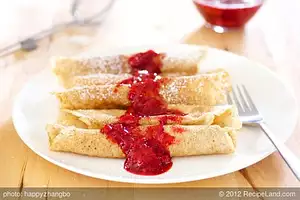
What Are Butter cookies and How Can I Use Them?
Butter cookies is easier to cook with than it looks. Here's how to choose, use, and store them, what to substitute, and 8 recipes to get you started.
Key Points
- Rich, crumbly cookies high in butter; close to shortbread but a little sweeter and sturdier.
- Crush them for crusts or layer them whole in icebox cakes and parfaits where they soften.
- Sugar cookies have more sugar and egg, baking sweeter and crisper but less rich.
- Chill the shaped dough before baking so the high-butter cookies hold their pattern.
- Keep airtight for 2 to 3 weeks at room temperature, or freeze up to 3 months.
What are butter cookies?
Butter cookies are rich, crumbly cookies built on a high ratio of butter to flour, with just enough sugar and egg to hold the shape. They sit close to shortbread but a little sweeter and sturdier.
The classic example is the ridged and pretzel-shaped Danish kind that comes stacked in a blue tin.
The flavor is plain on purpose: sweet cream butter, a touch of sugar, sometimes a whisper of vanilla. That simplicity is the point, because butter is doing nearly all the work and a good one tastes of little else.
Texture ranges from sandy and snappy to dense and short. They hold a crisp edge and a stamped or piped pattern, which is why they are the cookie of choice for cutouts and decorated shapes.
Ways to Use Them
The obvious use is straight from the tin with coffee or tea. But butter cookies are also a quiet building block in other desserts, mostly because they crush cleanly and taste of butter rather than anything that fights the dish around them.
Crushed to crumbs, they make a crust. Bound with a little melted butter and pressed into a pan, they line a cheesecake or a bar the way graham crumbs do, only richer. Espresso-Hazelnut Cheesecake uses that kind of buttery crumb base under its filling.
Whole, they layer. Kekstorte, the German cookie cake, stacks plain butter cookies with a cream filling so they soften overnight into sliceable cake. Tiramisu Parfaits use them the same way, soaking the cookies in coffee until they go tender between layers of mascarpone.
They also take decoration well. Creepy Critters and Ghost Cookies start from a simple butter cookie and dress it up with icing and candy.
Baking and Common Mistakes
Butter cookies pair with almost any sweet partner: chocolate, coffee, citrus zest, jam, nuts, and warm spices like cinnamon and cardamom. Their plainness is what makes them flexible.
The most common mistake is spread. Because they are so high in butter, warm dough relaxes and the cookies flatten and run together in the oven. Chill the shaped dough until firm before baking, and the pattern and edges hold.
The second mistake is overworking the dough. Too much mixing develops gluten and makes the cookies tough instead of short and tender. Mix only until it comes together, then stop.
Watch the bake, too. Butter cookies scorch fast at the thin edges, so pull them when the rims are just barely golden. They firm up as they cool.
Substitutes
Shortbread is the closest swap and behaves almost identically in crumb crusts and layered desserts. It is a touch less sweet, so add a little sugar if the recipe relies on the cookie for sweetness.
Sugar cookies stand in when you need cutouts or a base for icing. The difference matters: sugar cookies carry more sugar and often more egg, so they bake up sweeter, crisper, and less rich than the butter-forward original.
For a crumb crust, graham crackers or vanilla wafers work in the same proportions, around one and a half cups of crumbs to a quarter cup of melted butter. They bring a different flavor but the same binding job.
Plain biscuits like digestives or tea biscuits also layer well in an icebox cake, soaking up cream and softening just as butter cookies do.
Buying and Storing
Look for butter cookies that list butter, not margarine or vegetable oil, near the top of the ingredients. Real butter is the whole point, and the cheaper tins often substitute it away.
A good one smells of cream and snaps cleanly.
Stored airtight at room temperature, butter cookies stay crisp for about 2 to 3 weeks. Their low moisture is what gives them that long shelf life. Keep them away from anything humid or strongly scented, since they pick up odors and go soft.
Freeze them for longer storage, up to about 3 months in a sealed container; thaw at room temperature still sealed so condensation does not soften them. Unbaked shaped dough also freezes well and bakes straight from frozen with a minute or two added.
Quick facts
- In Chinese
- 牛油曲奇
- British (UK) term
- Butter cookies
- en français
- biscuits au beurre
- en español
- Galletas de mantequilla
Recipes using butter cookies
There are 8 recipes that contain this ingredient.
Creepy Critters


No-bake Halloween spider cookies made by stacking peppermint patties on butter cookies, then piping frosting legs and candy eyes. A spooky craft kids can eat!
Ghost Cookies

Ghost cookies made by dipping butter cookies in white almond bark with black jelly bean eyes. A no-bake Halloween treat kids can help make in under 30 minutes.
Papaya Custard
Papaya custard sautees fresh papaya with butter, brown sugar, and brandy, then layers it under a rich egg custard with crumbled butter cookies. Baked until silky and set.
Espresso-Hazelnut Cheesecake
Espresso hazelnut cheesecake with a butter cookie cinnamon crust, water bath baked filling with roasted hazelnuts, and piped whipped cream with espresso beans.
Crunchy Chocolate Cake
No-bake chocolate cake with melted chocolate, butter, crushed cookies, candied fruit, cherries, and almonds. Refrigerate overnight for a dense, fudgy slice.
Tiramisu Parfaits
Elegant individual tiramisu parfaits layered in stemmed glasses with mascarpone Italian meringue, coffee-soaked crumbs, dark rum, and bittersweet chocolate triangles.
Kekstorte (German Cookie Cake)
Kekstorte is a classic German no-bake cookie cake layering crisp butter cookies with rum-spiked cocoa-coconut cream, chilled overnight in a loaf pan until sliceable and rich.
Mrs. Field's Creamy Peanut Butter Chocolate Bars
Layered peanut butter chocolate bars with a butter cookie crust, creamy peanut butter filling, and double milk chocolate layers. No-bake filling, one hour chill, and pure candy shop flavor.