What Is Ditalini pasta and How Can I Use It?
Wondering what to do with ditalini pasta? This guide covers how to pick it, cook it, store it, and swap it, plus 13 recipes to put it to work.
What is ditalini pasta?
If your pasta water turns into soup with a few short tubes bobbing in it, odds are good you're looking at ditalini. The name means "little thimbles" in Italian, and that shape is the whole point: small enough to ride a spoon, hollow enough to grab a little broth on the way up. This is the pasta in pasta e fagioli, the one your grandmother (or somebody's grandmother) put in minestrone.
What it is
Ditalini are short tubes of dried semolina pasta, usually about a quarter inch (6 mm) long and just as wide. The dough is the same durum wheat and water you'd find in spaghetti, extruded through a die and cut short. You'll also see ditali (slightly larger), tubetti (often used interchangeably with ditalini), and ditalini rigati, which have ridges along the outside that help sauce cling.
The shape comes from southern Italy, particularly Campania and Sicily, where it shows up in bean and vegetable soups and in pasta dishes meant to be eaten with a spoon. In Naples, pasta e fagioli is sometimes called pasta e fasule, and ditalini is one of the classic shapes for it, though traditionally cooks used up odd ends of long pasta broken into pieces.
What to look for when you buy it
In North America, ditalini hides. Big grocery stores might not carry it at all, or they'll stock it under a different name like "salad macaroni" or "tubettini." Check the bottom shelf of the pasta aisle, look at Italian or imported brands (De Cecco, Barilla, La Molisana), and try the bulk bins at a well-stocked supermarket.
Bronze-die pasta has a rougher, paler, almost chalky surface. Teflon-die pasta is smoother and more golden. The bronze-die stuff holds onto sauce and broth better, and it's worth seeking out for soups. Look for "trafilata al bronzo" on Italian labels.
Avoid boxes where the pasta looks shattered into half-pieces and dust at the bottom. A little breakage is normal, a lot means rough handling.
How to store it
Dried ditalini keeps for about two years in a sealed container in the pantry, and honestly longer than that if you're not picky. After the box is open, transfer it to a jar so it doesn't get stale or pick up cabinet smells. If you see weevils or any kind of webbing, throw it out, freeze the rest of your pasta supply for a few days as a precaution, and clean the shelf.
Cooked ditalini in soup will keep three or four days in the fridge, but it will absorb broth and turn soft. If you're making soup ahead, cook the pasta separately and add it to each bowl when you reheat.
How to use it
Soup is the obvious answer, and it's the right one. Pasta e fagioli, minestrone, Italian wedding soup, escarole and beans with a handful thrown in at the end. The shape is sized for a soup spoon, which sounds obvious but matters: longer pasta in soup is a fork-and-spoon negotiation, and ditalini lets you eat without thinking about it.
It's also good in cold pasta salad, especially the mayo-based deli kind with peas and ham, where it gives every bite the same proportions. Mac and cheese works too if you want something a little daintier than elbows.
Two common mistakes. First, cooking ditalini directly in the soup pot. The starch makes the broth gluey and the pasta keeps swelling for hours, eating your liquid. Cook it separately in salted water, drain, and add it to the bowl or stir it in just before serving. Second, undercooking. Because ditalini is small, people pull it early thinking it'll keep cooking. It will, but small pasta gets chalky in the middle if you yank it too soon. Taste one. It should be tender all the way through, with just a little bite.
For soup, salt the pasta water well and pull the ditalini about a minute before the package time, since it'll soften slightly in the hot broth.
Substitutes
The good news is that almost any small pasta will do the job. None of them are exactly ditalini, but the difference is shape, not flavor.
- Tubetti or tubettini. The closest thing. Often the same pasta under a different name.
- Elbow macaroni. Easy to find, slightly curved instead of straight, works fine in soup and pasta salad.
- Small shells (conchigliette). Hold broth nicely, very pretty in soup.
- Orzo or pastina. Smaller than ditalini, more rice-like, but interchangeable in brothy soups.
- Broken spaghetti or linguine. The old-school move. Snap long pasta into half-inch pieces over the pot. It's how pasta e fagioli was made before boxes of small shapes were common.
What doesn't really work: long pasta left whole, big shapes like rigatoni or penne (wrong scale for the spoon), or stuffed pasta. Couscous is sometimes suggested but it's a different texture entirely, more like a grain than pasta.
Quick reference
| Measure | Equivalent |
|---|---|
| 1 cup dry ditalini | about 5 oz (140 g) |
| 1 lb (450 g) dry | 6 to 8 servings as a side, 4 as a main |
| 1 cup dry | about 2 cups cooked |
| Cook time | 7 to 9 minutes for al dente |
Common questions
What can I substitute for ditalini? Tubetti, elbow macaroni, small shells, or orzo all work in soup. For pasta salad, elbows are the easiest swap. If you have nothing small on hand, break long pasta like spaghetti into short pieces.
Is ditalini the same as tubetti? Pretty much. Different brands and regions use the names differently, and some boxes label the same shape both ways. Ditali, with no diminutive, is a larger version of the same tube.
How much ditalini do I need per person for soup? About 2 tablespoons of dry pasta per serving, or 1/4 cup if you want a hearty soup that's more pasta than broth.
Can I cook ditalini directly in soup? You can, but it'll thicken the broth and keep absorbing liquid as it sits. For soup you plan to reheat, cook the pasta separately and combine in the bowl.
Quick facts
Where to find ditalini pasta: Ditalini pasta is usually found in the pasta section or aisle of the grocery store or supermarket.
- In Chinese
- ditalini
- British (UK) term
- Ditalini pasta
- en français
- ditalini
- en español
- ditalini
Recipes using ditalini pasta
There are 13 recipes that contain this ingredient.
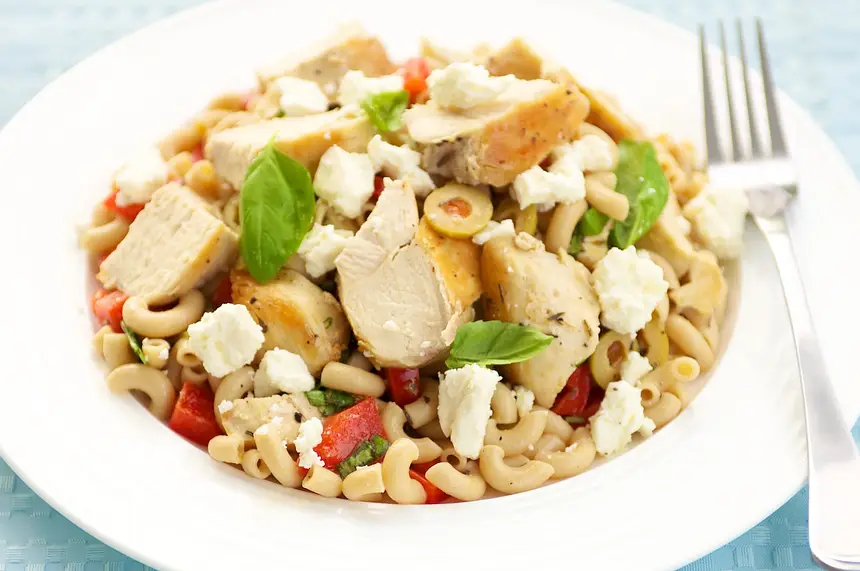
Greek Pasta Salad with Feta & Chicken


So easy to make, and the dish came out super tasty. Instead of green bell pepper, I used sweet red bell peppers, didn't have mint, so used fresh basil leaves instead. Yum.

Ditalini with Flageolets & Pesto
A quick Italian pasta dish tossing ditalini with creamy flageolet beans, garlic, olive oil, and basil pesto. Five ingredients, 30 minutes, and a satisfying vegetarian meal on the table.

Pasta & Peas
Pasta and peas tosses ditalini macaroni with sweet peas, sauteed mushrooms, and a quick tomato juice sauce. Melted fontina cheese pulls it all together for a 30-minute Italian weeknight dinner for two.
Pasta Salad with Roasted Red Peppers & Basil with White Balsamic Dressing
Pasta salad with roasted red peppers, fresh basil, and mozzarella in a white balsamic and grainy mustard dressing. A bright Italian-leaning pasta salad that travels well to picnics and potlucks.
Minestrone Semplice - Plain Minestrone
Plain Italian minestrone with potatoes, celery, green beans, peas, and ditalini pasta in a simple broth, finished with Parmesan and parsley. No tomatoes needed.

Classic Italian Pasta e Ceci
Pasta e ceci, the classic Roman comfort dish. Ditalini and chickpeas in garlicky tomato-basil broth. Pure cucina povera, ready with seven pantry ingredients.
Clam Chowder with Pasta

Clam chowder with pasta is a brothy, Italian-style tomato clam soup with little ditalini cooked right in, brightened with garlic, white wine and a kick of dried chili. A rustic, coastal one-pot bowl.
Pasta Fagioli Soup
Italian pasta fagioli soup with cannellini and kidney beans, bacon, ditalini pasta, and aromatic vegetables. The classic Italian peasant pasta-and-bean soup ready in 40 minutes.

Acorn Squash'N Pasta Soup
Creamy acorn squash soup with warm spices (mace, ginger, cinnamon), pureed smooth with chicken broth, then simmered with ditalini pasta and topped with sweetened sour cream.
Favourite Pasta E Fagioli
Italian pasta e fagioli with navy beans, ditalini, and a tomato-rosemary broth. The classic peasant soup made one-pot, thick, hearty, and ready for grated cheese on top.

Ditalini with Zucchini
A fresh, no-cook pasta salad tossing ditalini with raw zucchini rounds, chopped fresh tomato, sliced onion, olive oil, and parsley. Simple Italian summer eating at its best, ready in 40 minutes.
Tuscan Bean Soup
Hearty Tuscan bean soup with pancetta, sage, and ditalini pasta simmered in chicken broth. This rustic Italian pasta e fagioli feeds a crowd with creamy cannellini beans and sharp Romano cheese.