What Is Shrimp paste and How Can I Use It?
If shrimp paste has turned up in a recipe or caught your eye at the store, here's what you need to use it with confidence and how to choose it, cook it, store it, what to substitute, and 56 recipes to try it in.

Key Points
- Salted, fermented ground shrimp known as belacan, kapi, terasi or bagoong across Southeast Asia.
- Toast a small piece before use; it mellows the raw funk into deep savory background.
- Use tiny amounts, around half a teaspoon for four servings, since it overpowers fast.
- No exact swap; fish sauce works at roughly a tablespoon per teaspoon, tasting saltier.
- Heavily salted, so a sealed jar keeps a year or more refrigerated; contain the smell.
What is shrimp paste?
Shrimp paste is fermented ground shrimp, salted and aged until it becomes a dense, pungent block or jar of seasoning. It is one of the foundational savory notes of Southeast Asian cooking.
You will see it labeled belacan in Malaysia, kapi in Thailand, terasi in Indonesia, or bagoong in the Philippines.
A little goes a very long way.
The smell is genuinely strong, ammoniac and funky straight from the jar. Cooked, it mellows into a deep, round savoriness that you taste as background rather than fishiness. That transformation is the whole point.

Cooking With Shrimp Paste
For most dishes, toast it first. Wrap a teaspoon-sized piece in foil and dry-toast it in a pan, or sizzle it in a little oil, until it darkens and turns fragrant. Toasting tames the raw edge and brings out the savory depth.
The paste is the secret backbone of curry pastes and sambals. Thai Green Curry Paste and Masaman Curry Paste (Nam Prik Kaeng Masaman) both pound a small lump into the chilies and aromatics.
It also seasons stir-fries and soups. You will find it carrying Black Chili Paste - Nam Prik Pow and stirred into Pumpkin & Coconut Cream Soup, where it adds a savory base note you would miss if it were gone.
Start with about half a teaspoon for a dish that serves four, then taste. It is far easier to add more than to fix an over-fishy pot.
Pairing and Common Mistakes
It loves the company of chilies, garlic, lime, palm sugar, and coconut milk. Those bright and sweet flavors balance its salty funk, which is why it lives in curry pastes and dipping sauces rather than on its own.
The biggest mistake is using too much.
This is not an ingredient you eyeball generously; a pea-sized amount can flavor a whole pot. And skipping the toast means adding it raw to a quick dish, where its smell can overpower everything and stay sharp instead of melting into the background.
Substitutes
There is no exact swap, since the fermented funk is unique. Fish sauce is the most available stand-in: use about a tablespoon of fish sauce for each teaspoon of shrimp paste, and accept that the dish will taste saltier and less deep.
Anchovy paste or a mashed anchovy fillet gets you in the same savory-fishy territory and works for non-Asian cooking. For a vegetarian version, a little white miso plus a pinch of seaweed gives fermented umami without the shrimp.
Buying and Storing
You will find it sold as a firm block, as a soft jarred paste, or as a thinner sauce, and the firm block is the most concentrated. Belacan and the Thai jarred kapi are the easiest to find in Asian markets.
Because it is heavily salted and fermented, it keeps for a long time. Store an opened jar tightly sealed in the fridge and it stays good for a year or more.
Seal it well, because the smell will travel through a loose lid and scent everything in the fridge. A jar inside a zip-top bag is cheap insurance, and keeping a clean dry spoon for it stops it spoiling early.
Quick facts
Where to find shrimp paste: Shrimp paste is usually found in the asian section or aisle of the grocery store or supermarket.
- In Chinese
- 虾酱
- British (UK) term
- Shrimp paste
- en français
- pâte de crevettes
- en español
- pasta de camarones
Recipes using shrimp paste
There are 56 recipes that contain this ingredient.
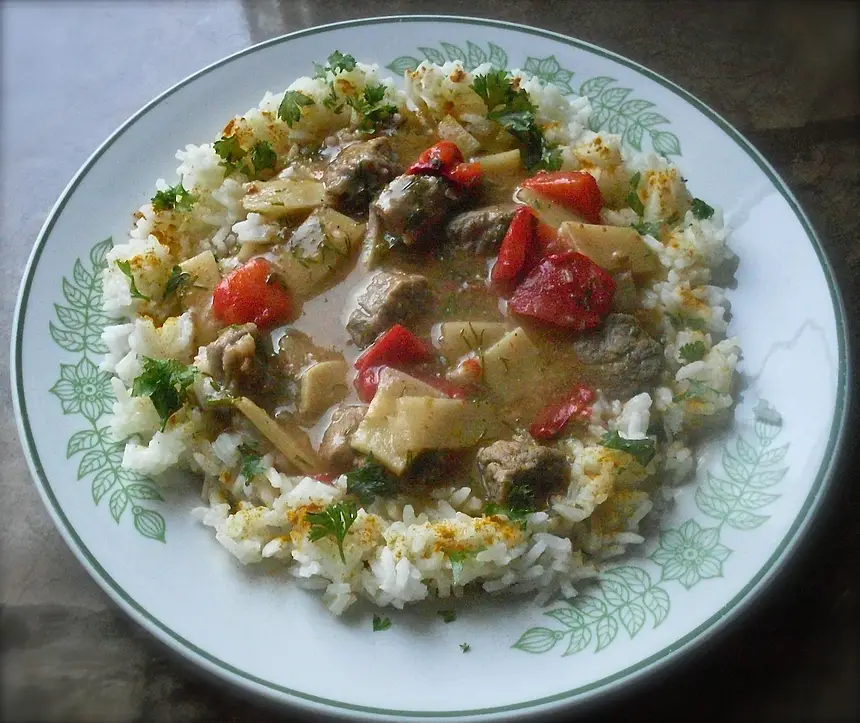
Shrimp Flavored Beef over Rice


My intention was to combine flavors of shrimp and beef inside the meat as well as inside the sauce..
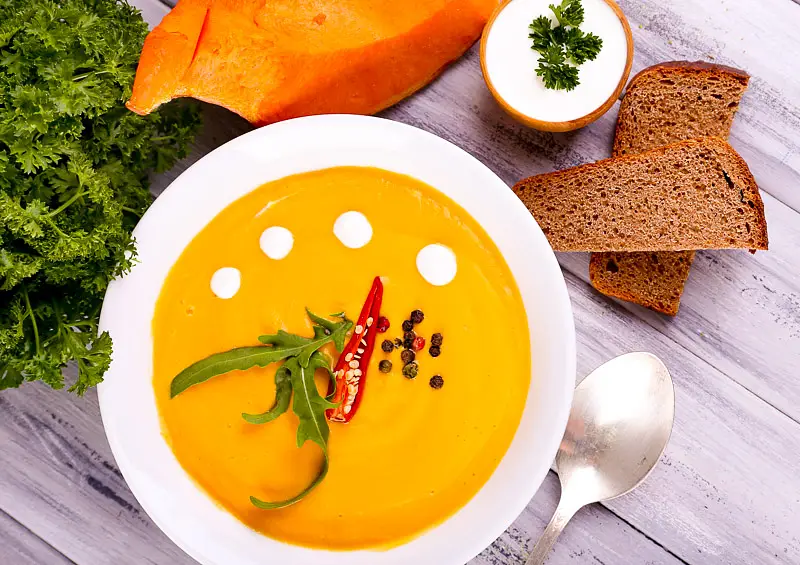
Pumpkin & Coconut Cream Soup

Thai pumpkin and coconut cream soup blends shrimp, lemongrass, and chilies into a paste, then simmers cubed pumpkin in coconut milk with basil for a fragrant Southeast Asian first course.
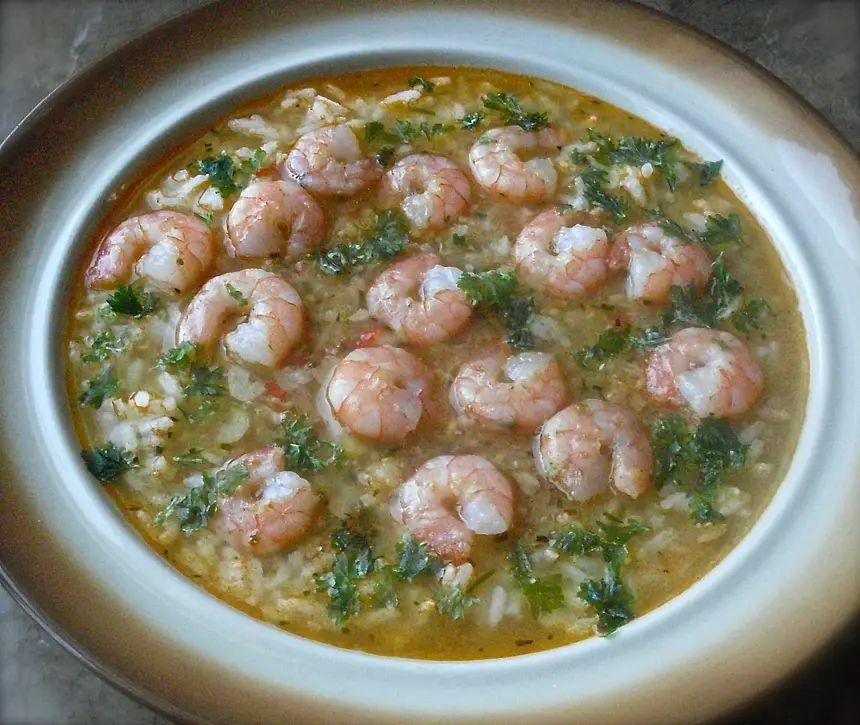
Shrimp & Lentil Soup
a bit spicy soup.. I found a combination of lentil and shrimp in Sri Lanka's cuisine, however I never found any recipe, and I tried my way..
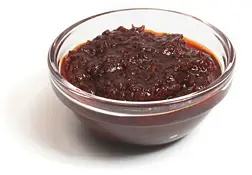
Thai Roasted Chile Paste
Cooks in Southeast Asia make use of pastes that combine roasted fresh or dried chillies with a variety of other seasonings. Various commercial chilli pastes are sold, but a good chile paste is also easy to make at home.

Chao Douya (Soybean Sprouts with Pork)
Classic Chinese stir-fry of crunchy soybean sprouts with marinated pork and shrimp paste. Fast wok cooking keeps sprouts crisp-tender.

Panang Beef
Panang beef curry with homemade spice paste, coconut cream cracked to release its oil, roasted peanuts, and fresh basil. Authentic Thai technique, medium heat, ready in 40 minutes.
Prawn Laksa
Laksa gets a bad rap in Singapore because of the addition of coconut cream. However, coconut oil is actually a superfood, containing important compounds that enhance immunity and protect against digestive system disorders. In particular, coconuts are rich in lauric acid, which is known for being antiviral, antibacterial and antifungal, and boosts the immune system. Choose virgin coconut oil and coconut products that have no questionable ingredients added to them.

Kaeng Khua Curry Paste
Authentic Thai kaeng khua curry paste with dried chilies, lemongrass, galangal, kaffir lime, and shrimp paste. Stores in the fridge for months and makes about 3/4 cup.
Satay-Style Beef with Broccoli
Satay-style beef stir-fry with Chinese broccoli, shrimp paste, dark soy sauce, and rice wine. Thin-sliced steak wok-fried and tossed in a savory peanut-inspired sauce.
Satay-Style Beef with Broccoli
Satay-style beef stir-fry with Chinese broccoli, shrimp paste, dark soy sauce, and rice wine. Thin-sliced steak wok-fried and tossed in a savory peanut-inspired sauce.
Kaeng Ped Cai
Kaeng Ped Cai, a Thai red curry chicken stir-fry with coconut milk, dried chilies, shrimp paste, and fresh coriander. A fast, aromatic one-wok dinner served over rice.
Duck Curry
Thai duck curry simmered in coconut milk with a handmade paste of chilies, coriander, lemongrass, shrimp paste, and lime. Rich, fiery, and aromatic with fresh basil stirred in at the finish. Serve over jasmine rice.
Seafood Laksa with Wild Limes & Lemon Myrtle Linguini
Seafood laksa made with scallops, snapper, king prawns, squid and served with Australian-style lemon myrtle linguini.

Yellow Curry Paste
Homemade Thai yellow curry paste from scratch with dry-roasted coriander, cumin, shallots, lemongrass, and shrimp paste. Stores in the fridge for up to 4 months.
Phanang Curry Paste
Phanang curry paste pounded from dried red chiles, shallots, garlic, lemongrass, galangal, coriander root, cumin, and shrimp paste. An authentic Thai curry paste made from scratch.
Hot Green Curry Paste
Homemade Thai green curry paste blitzed from fresh jalapenos, Hawaiian chilies, lemongrass, cilantro, garlic, shallots, and shrimp paste. A fiery, fragrant base that runs circles around any jarred version.

Green Curry Paste
Blender-easy Thai green curry paste made with fresh green chilies, lemongrass, galangal, purple shallots, and cilantro. Blend everything smooth, store refrigerated, and you've got curry magic ready.

Steamed Mussels with Creamy Fish Filling
Steamed mussels topped with a Thai-spiced fish mousse of ginger, lemongrass, shrimp paste, and basil. An elegant bamboo-steamer appetizer for a Southeast Asian dinner.
Red Curry Paste
Authentic Thai red curry paste from scratch: dried chilies, galangal, lemongrass, kaffir lime rind, shrimp paste, and toasted coriander and cumin seeds blended into a fiery aromatic base.

Shrimp & Barbecued Pork Fried Rice
Cantonese-style fried rice loaded with shrimp, char siu pork, chicken, peas, and eggs. Seasoned with soy sauce, oyster sauce, and optional shrimp paste for serious wok flavor.
Nam Phrik Kaeng Khua (Kaeng Khua Curry Paste)
Thai Kaeng Khua curry paste made with dried chilies, garlic, lemongrass, coriander root, and shrimp paste. A fragrant homemade paste that keeps 3-4 months refrigerated.
Ayam Panggang Mesanten (Grilled Chicken with Chilies)
Ayam Panggang Mesanten features charcoal-grilled chicken sliced and simmered in a coconut milk sauce with shrimp paste, red chiles, shallots, and lemongrass. Smoky, fiery, and deeply savory Indonesian grilling.
Red Curry Paste (Nam Prik Kaeng Daeng)
Homemade Thai red curry paste (nam prik kaeng daeng) with dry-roasted cumin and coriander, dried chilies, lemongrass, galangal, shallots, and shrimp paste. Pounded by hand for authentic depth.
Thai Barbecued Stuffed Prawns
Jumbo prawns butterflied and stuffed with a garlic-coriander-chicken paste, then grilled on skewers until bright orange. Served with a tangy sweet-sour cucumber salad on the side.
Darley Street Thai Chuu-Chii (Red Curry) of Coffin Bay Scall
Thai red curry scallops (Chuu-Chii) with homemade curry paste, coconut cream, kaffir lime leaves, and fish sauce. Includes a from-scratch paste recipe using galangal, lemongrass, and shrimp paste.
Nam Phrik Kaeng Daeng (Red Curry Paste)
Homemade Thai red curry paste with dried chilies, garlic, lemongrass, coriander root, cumin, and shrimp paste. Stores for months and beats anything from a jar.
Sweet & Sour Thai Fried Noodles
Thai pad Thai-style fried rice noodles with shrimp three ways (fresh, dried, and paste), scrambled egg, and a sweet-sour-salty sauce of fish sauce, vinegar, and brown sugar. Topped with crushed peanuts and lime.

Curry Paste (Thailand)
Thai red or green curry paste: a homemade aromatic blend of chilies, shallots, garlic, lemongrass, shrimp paste, ginger, and coriander. The from-scratch base for authentic Thai curries.

Duck Curry - Kaen of Duck
Thai duck curry (kaeng pet) simmered in coconut milk with a handmade curry paste of dried chilies, lemongrass, shrimp paste, and coriander seeds. Rich, aromatic, and deeply spiced.

Saus Ka_Ang
Indonesian peanut sauce with shrimp paste, dried chile, garlic, coconut milk, and crunchy peanut butter. This Saus Kacang builds deep savory flavor and is ready in 20 minutes.
Amazing Green Curry Paste
Toast cumin and coriander seeds until fragrant, then pound with fresh green chilies, lemongrass, galangal, and shrimp paste into an authentic Thai green curry paste bursting with heat and herbal brightness.
Green Mango Dip
Thai green mango dip with shrimp paste, fish sauce, garlic, and lime juice pounded in a mortar. A sour, salty, funky condiment for grilled meats and vegetables.

Kang-Ped Bhet-Yang - Thai Roast Duck Red Curry.
Kang ped bhet yang, Thai roast duck red curry with homemade curry paste, coconut cream, Thai basil, and Kaffir lime. A Bangkok restaurant classic with layered heat and sweet-savory complexity.
Ambila Chicken
Fiery Indonesian chicken braised with lemongrass, chilies, and a fragrant spice paste, then simmered with green beans until tender. Bold, aromatic, and built for heat lovers.
Joyce's Indonesian Fried Rice
Joyce's Indonesian fried rice (nasi goreng): the classic Southeast Asian fried rice with shrimp paste, tamarind, and ketjap manis, loaded with shrimp, chicken, and barbecued pork. Dinner for four in 45 minutes.
Red Thai Fish Cakes
Thai red fish cakes (tod mun pla) with red curry paste, lemongrass, lime zest, and crunchy green beans. Bouncy texture, fragrant heat, perfect with sweet chili sauce.
Green Curry Paste (Nam Prik Kang Khiaw-Waan)
Homemade Thai green curry paste with fresh green chilies, lemongrass, galangal, shrimp paste, and coriander. Blends in minutes, beats store-bought every time.
Masaman Curry Paste (Nam Prik Kaeng Masaman)
Authentic Thai massaman curry paste pounded from scratch with dry-fried spices, dried chilies, lemongrass, galangal, grilled shrimp paste, and tamarind. Deep, complex, and aromatic.
Laksa Gravy
Rich Malaysian laksa gravy built from a fragrant rempah spice paste of chilies, lemongrass, galangal, and candlenuts, simmered with coconut milk and fish balls. The aromatic, coconut-laced base for a bowl of curry laksa.

Jungle Curry with Catfish - Gaeng Paa Pla Dook *
Thai jungle curry with catfish, homemade curry paste, Thai eggplant, and kaffir lime leaves. A fiery, coconut-free curry that's broth-based, bold, and ready in 20 minutes.
Massaman Curry Paste
Massaman curry paste: a homemade Thai-Muslim spice blend of dried chiles, lemongrass, galangal, shallots, and warm Indian-influenced spices. The flavor base for the country's most aromatic curry.

Saus Kacang
Saus kacang is an Indonesian peanut sauce made with ground chili, garlic, shrimp paste, peanut butter, tamarind, and coconut milk. The classic satay dipping sauce.
Sajor Bayam (Spinach-Corn Puree)
Sajor bayam - Indonesian spinach and creamed corn puree with coconut milk, shrimp paste, garlic, and bird's eye chili. A rich, spicy Southeast Asian vegetable side dish.
Otak Otak (Fish Mousse Grilled on a Banana Leaf)
Otak otak: Southeast Asian fish mousse with a lemongrass-galangal-chili spice paste and coconut milk, wrapped in banana leaves and grilled. Each packet holds a shrimp inside a fragrant, spiced fish paste.
Black Chili Paste - Nam Prik Pow
Smoky Thai chili paste with fried shallots, garlic, and dried chilies for authentic tom yum soup and pad thai flavor at home.
Jungle Curry Paste (Kaeng Paa)
Thai jungle curry paste (kaeng paa) pounded from shallots, garlic, galangal, lemongrass, dried chilies, kaffir lime leaf and shrimp paste. Fiery, herbal base for water-based Thai curries.

Thai Satay with Spicy Peanut Sauce
Pork or chicken strips marinated in lemongrass, galangal, curry, and coconut milk, grilled on skewers with a from-scratch spicy peanut dipping sauce. Authentic Thai satay at home.
Malaysian Peanut Sauce
An exotic and delicious peanut sauce made with dried red chilies and dark soy sauce that tastes amazing with rice or noodles.