119 korean recipes
 Recipe NOT List™ - disabled
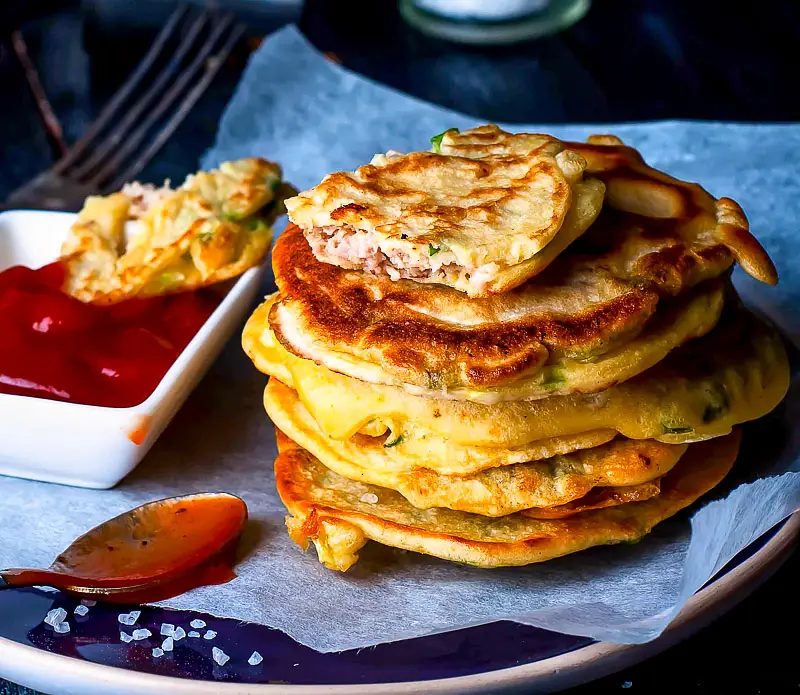
Bring a little bit of the Eastern Hemisphere into your household with these pancakes made of mung beans and kim chee.
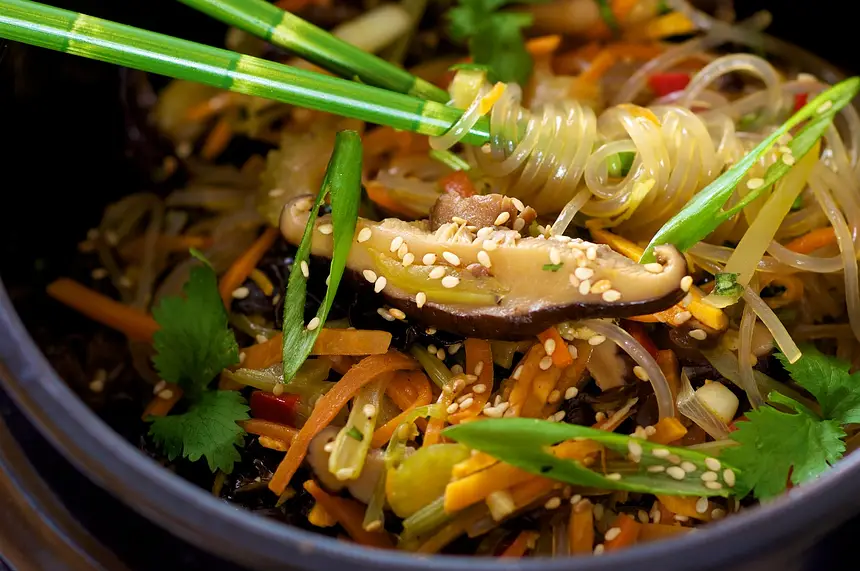
Look for sweet potato noodles in Asian or Korean grocery stories, or use soba noodles or even spaghetti works too. The dish is super easy to prepare, and it tastes delicious. If you are a big fan on Asian flavor, such as sesame oil, sesame seeds, and soy sauce, etc, you will not be able to resist this mouth-watering Japchae.
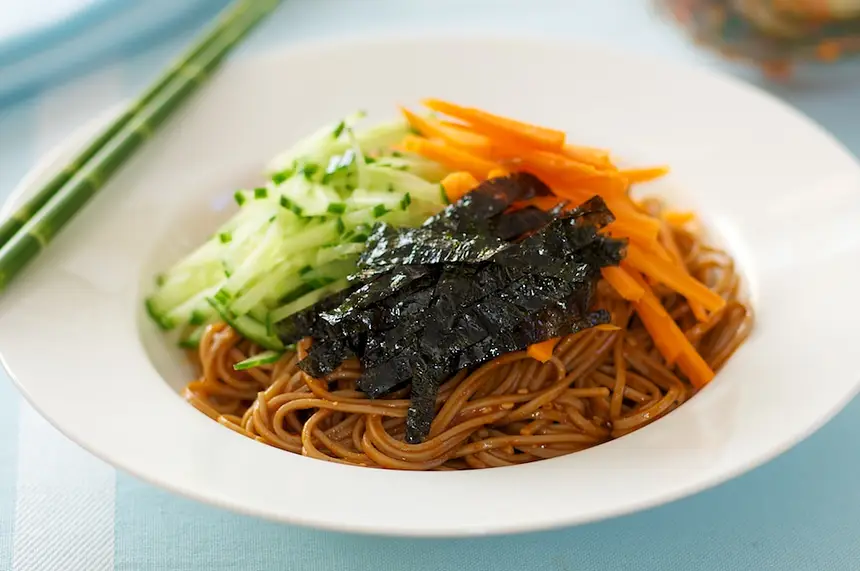
A little bit of heat with a tangy sweet and sour taste. This cucumber soba salad for sure refreshes your taste buds while satisfies your tummy.
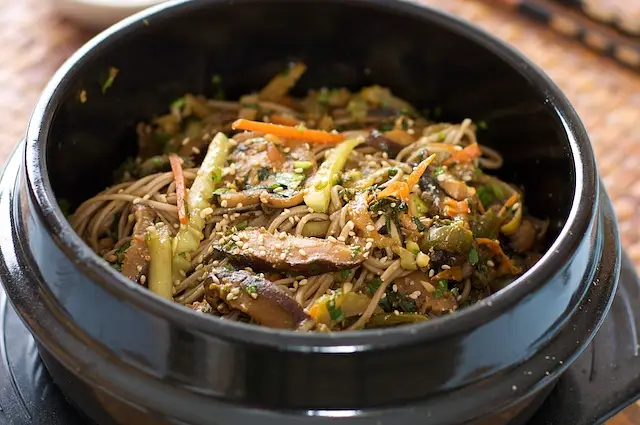
Learn how to make Bibimbap, one of my favorite Korean dishes. This time instead of preparing each vegetable separately, I cooked the similar texture vegetables together, which saved time and still tasted delicious. I mixed the seasoned vegetables with soba noodles and of course always have some kimchee as a side, that's a must in Korean food.

Kalbi Kui is a classic Korean grilled short rib recipe marinated overnight in sesame oil, olive oil, bouillon, and scallions. Simple ingredients, bold umami flavor, and just 10 minutes on the broiler.
Korean-style grilled chicken thighs marinated in soy, sesame oil, ginger, and honey, served with a cool minted cucumber salad. A bright, balanced weeknight dinner.

A Korean stir-fried cucumber side dish (banchan) tossed in sesame oil, soy sauce, and chili powder. Quick, savory, and a refreshing change from raw cucumber salads.
Spicy napa cabbage and daikon kimchi fermented with anchovies, garlic, scallions, and red pepper flakes. Traditional 2-day ferment Korean baechu kimchi for rice bowls, stews, and pancakes.
Yukgaejang is a fiery Korean shredded beef soup simmered with chili flakes, sesame oil, garlic, and twelve green onions. Spicy slow-cooked broth that warms from the inside out.

A Korean stir-fry where salt-pressed cucumbers and julienned beef come together with sesame oil, toasted seeds, and chili heat. If you've never cooked cucumbers before, this will change your mind.

Quick Korean-style pickled napa cabbage with chili powder, fresh ginger, garlic, soy sauce, and white vinegar. No cooking needed. Salt, mix, jar, and wait 24 hours for a tangy, crunchy side dish.


Myong's kimchi ferments napa cabbage, daikon, carrots, ginger, and garlic in rice vinegar and sea salt for weeks in the fridge. A crisp, bright Korean-style relish that builds more depth the longer it sits.

Korean-style meat sauce for vegetables made with beef, sesame oil, soy sauce, and garlic. A savory make-ahead condiment that stores well and adds depth to any cooked vegetable.
These Korean dumplings made with beef chuck and napa cabbage can be fried or steamed.

Homemade kimchi with napa cabbage, daikon radish, scallions, garlic, ginger, pear, and cayenne pepper. Salt-brined and fermented for 3 days in a traditional crock method.
Showing 65 - 80 of 119 recipes