What Is Shrimp, dried and How Can I Use It?
Wondering what to do with shrimp, dried? This guide covers how to pick it, cook it, store it, and swap it, plus 6 recipes to put it to work.
Key Points
- Small shrimp salted and sun-dried into a concentrated, salty seasoning, not a fresh-shrimp swap.
- Soak 15 to 30 minutes to soften, or grind dry into a floss or paste.
- Use a teaspoon or two; a heavy hand turns the dish aggressively fishy.
- Save the soaking water; it doubles as a quick seafood stock.
- Keep airtight for months, or refrigerate or freeze for close to a year.
What is shrimp, dried?
Dried shrimp are small shrimp that have been salted and sun-dried until they shrink to the size of a fingernail and turn a deep coral-orange. They are a backbone seasoning in Southeast Asian and southern Chinese cooking, and across much of Latin America too.
Look for them in clear bags in the dry-goods or refrigerated aisle of Asian and Mexican markets.
Do not think of them as a smaller version of fresh shrimp. Drying concentrates everything, so a spoonful delivers a deep, salty, almost cheesy wallop of seafood umami that fresh shrimp simply cannot match. A little goes a long way.
The smell out of the bag is strong and funky. That fades and mellows into savory depth the moment they hit hot oil or simmer in a sauce.
How to Use Dried Shrimp
There are two main ways to handle them: soften them, or grind them.
To soften, soak the shrimp in warm water for 15 to 30 minutes until they are pliable, then drain. The soaking liquid is worth saving and adding back to the dish as a quick seafood stock.
Softened shrimp get chopped into stir-fries and noodle dishes, as in Pad Thai Stir-Fried Rice Ribbon Noodles, where they give the dish its background savoriness.
To grind, pound the dry shrimp in a mortar or pulse them in a processor into a fluffy floss or a paste. This is how they anchor Thai Roasted Chile Paste, the nam prik pao that flavors countless Thai dishes.
They also fry up crisp. Toasted in a dry pan or flash-fried, they scatter over Mee Krob (Sweet Thai Noodles) and Bean Thread Salad (Yum Woon Sen) as a crunchy, briny garnish. In Sweet & Sour Aubergines they melt into the sauce and season it from within.
Cooking and Pairing
Dried shrimp are a seasoning first and an ingredient second. Treat them the way you would anchovies or fish sauce: a small amount building depth in the background, not the star of the plate. They love garlic, chiles, lime, palm sugar, and fermented partners like fish sauce and shrimp paste.
The biggest mistake is overdoing it. Because the flavor is so concentrated, a heavy hand turns a dish aggressively fishy. Start with a teaspoon or two for a family-size dish and add more only if it needs it.
The second mistake is skipping the soak when a recipe calls for soft shrimp. Tossed in dry, they stay leathery and chewy in a finished sauce. Reserve the soak when the dish wants crisp shrimp instead.
Substitutes
There is no clean swap, because nothing else carries that concentrated dried-seafood punch. The closest is shrimp paste or belacan, used in a much smaller amount, since it is far more pungent.
Fish sauce gives you the salty, umami seafood note in liquid form and works when the shrimp were there for flavor rather than texture. For a crunchy garnish, fried shallots or toasted sesame deliver crunch but not the brine.
Fresh shrimp are not a substitute. They bring water and a mild, sweet flavor, the opposite of what dried shrimp do, and will not season a sauce the same way.
Buying and Storage
Buy shrimp with a bright pink-orange color and a faintly sweet, briny smell. Dull gray or brown shrimp are old, and a sharp ammonia odor means they have turned. Larger ones tend to be better quality and are easier to use whole, while tiny ones are best for grinding.
Stored airtight, dried shrimp keep for months in a cool, dark cupboard, though the flavor slowly fades and the color dulls. For long storage, keep the bag in the refrigerator or freezer, where they last close to a year and the oils do not go rancid.
If you only cook with them occasionally, the freezer is the safer home. They thaw in seconds and you avoid finding a stale, faded bag at the back of the pantry.
Quick facts
- In Chinese
- 虾,干
- British (UK) term
- Shrimp, dried
- en français
- crevettes, séchés
- en español
- camarones, se secó
Recipes using shrimp, dried
There are 6 recipes that contain this ingredient.
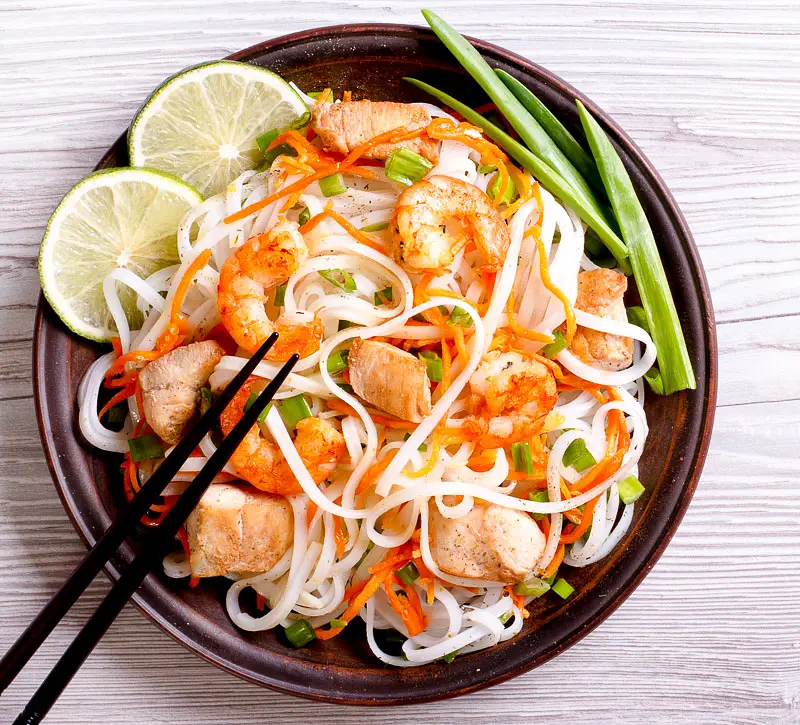
Pad Thai Stir-Fried Rice Ribbon Noodles


Authentic Pad Thai with shrimp, chicken, and rice ribbon noodles in a dry-coat sauce of yellow bean, fish sauce, and tomato paste. Finished with peanuts, bean sprouts, lime, and cilantro the way a Bangkok street stall would.
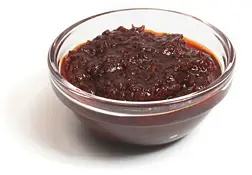
Thai Roasted Chile Paste
Cooks in Southeast Asia make use of pastes that combine roasted fresh or dried chillies with a variety of other seasonings. Various commercial chilli pastes are sold, but a good chile paste is also easy to make at home.

Sweet & Sour Aubergines
Thai fire-roasted eggplant dressed in a hot fish sauce, lemon, and sugar glaze with shallots, cilantro, and dried shrimp powder. Smoky, tangy, and ready in 25 minutes.
Bean Thread Salad (Yum Woon Sen)
This salad is very easy to make, and combines the sour, sweet and salty flavors typical of Thai cuisine.
Mee Krob (Sweet Thai Noodles)

Crispy puffed rice noodles coated in sweet-tart syrup with deep-fried tofu, shrimp, and lacy egg nets. This authentic Mee Krob brings the bold flavors of Thai street food right to your kitchen.