What Are Dried pears and How Can I Use Them?
Dried pears rewards a little know-how: how to choose them, cook them, store them, and substitute in a pinch. Browse 8 recipes to cook with them.

Key Points
- Dried pears are dehydrated fresh pears with a chewy texture and concentrated honeyed sweetness.
- Snack on them, bake them into scones and cakes, or simmer them into compotes.
- Rehydrate 15 to 30 minutes in hot water or wine, and use the soaking liquid.
- Dried apples swap one-for-one but taste tarter; fresh pears carry far too much water.
- Store airtight 6 to 12 months at room temperature, longer in the fridge or freezer.
What are dried pears?
Dried pears are fresh pears with most of their water removed, leaving chewy, leathery pieces with a concentrated honeyed sweetness. Bartlett and Bosc are the usual varieties, sliced into halves or rings and dried until pliable but no longer wet.
Drying turns the soft, juicy fruit into something denser and more intense. A fresh pear is delicate and floral; the dried version tastes deeper and almost caramel-like, with a gentle tang that keeps it from being cloying.
They hold that flavor for months, which is the whole appeal.

Using Dried Pears
Straight from the bag they make an easy snack, and chopped they fold into trail mix or granola. Their mild sweetness sits well next to sharp and salty things, which is why a few slices on a cheese board hold up against aged cheddar and salty cured meats.
In baking, dice them into scones, muffins, and quick breads, the way Apple Pear Cake leans on pear for moisture and the filling in Awesome Fruit Filled Bread uses dried fruit for body.
Cooking them low and slow in liquid is where they earn their place. Simmered into a compote or conserve they turn plump and silky, as in Pear Cranberry Conserve and the classic Swiss Brischtner Nytlae (Dried Pears Poached in Spice Wine).
They also round out mixed-fruit dishes like Stewed Fruits and the Ukrainian Uzvar (Dried Fruit Compote).
Rehydrating and Pairing
To rehydrate, cover the pieces with hot water or wine and let them soak for 15 to 30 minutes until soft, or simmer them gently for about 10. The soaking liquid picks up pear flavor, so use it in the dish rather than pouring it away.
Pears love warm spice. Cinnamon, ginger, cardamom, and vanilla all bring out their sweetness, and a splash of lemon or a handful of cranberries keeps a compote from going flat.
The mistake to avoid is treating them like a soft fruit and adding them raw to a batter that bakes quickly. Without soaking first, they pull moisture from the crumb and stay tough.
Either rehydrate them or bury them in a wet batter that cooks long enough to soften them.
Substitutes
Dried apples are the closest swap and behave almost identically in compotes and baking, though they are tarter and less floral. Use them one-for-one and lean on a little extra honey if you want the pear's softer sweetness.
Dried apricots or dried peaches also stand in, bringing more tang and a brighter color. For texture in baking, raisins or chopped dates work, but they are noticeably sweeter, so cut any added sugar.
Fresh pears are not a direct substitute in a recipe written for dried. They carry far more water and will throw off the moisture balance unless you reduce other liquids and skip the rehydrating step.
Buying and Storing
Look for pieces that are still flexible and slightly moist, not rock-hard or brittle, which signals they have dried out too far or sat too long. Unsulfured dried pears are browner and more caramel-flavored, while sulfured ones stay paler and a touch fresher-tasting; both are fine, so buy on preference.
Keep an unopened package in a cool, dark cupboard. Once opened, move them to an airtight container or zip-top bag to keep them from hardening, where they hold their texture for 6 to 12 months at room temperature.
For longer storage, the fridge or freezer extends their life well past a year. If they do firm up, a short soak brings them right back, so a stiff piece is never wasted.
Quick facts
Where to find dried pears: Dried pears are usually found in the asian section or aisle of the grocery store or supermarket.
- In Chinese
- 干梨
- British (UK) term
- Dried pears
- en français
- poires séchées
- en español
- peras secas
Recipes using dried pears
There are 8 recipes that contain this ingredient.
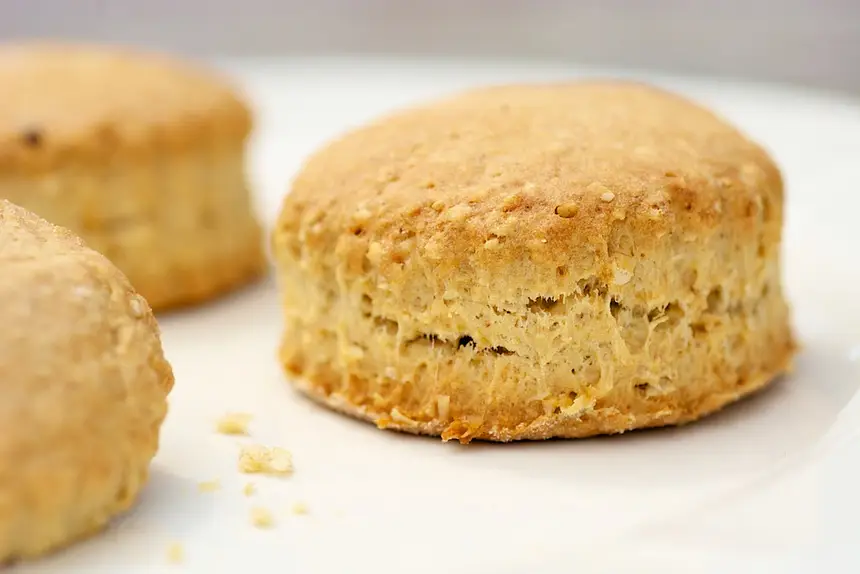
Oat Scones with Apple-Pear Butter


The oat scones were buttery, fluffy and delicious, when we spread the apple-pear butter on top, the flavor was just amazing. Sweet, a bit sour and smooth apple-pear butter went deliciously well with these yummy scones.

Awesome Fruit Filled Bread

Fruit-filled yeast bread wrapped around a dense, spiced filling of dried pears, prunes, raisins and walnuts spiked with kirsch. The fruit is enclosed in a soft enriched dough and baked golden. A festive, slice-and-serve loaf.
Stewed Fruits
Dried prunes, apricots, and pears slow-cooked with vanilla bean, lemon zest, and a touch of sugar until thick and jammy. Make it on the stovetop or set-and-forget in a crockpot.
Cinnamon Fruit Soup
Scandinavian cinnamon fruit soup with dried apricots, prunes, peaches, and pears thickened with tapioca. Served chilled as either a Nordic dessert or a sweet starter.

Pear Cranberry Conserve
Pear cranberry conserve made with dried pears and fresh cranberries simmered into a thick, ruby-colored spread. Just four ingredients, no pectin needed.

Uzvar(Dried Fruit Compote)
Uzvar is a traditional Ukrainian dried fruit compote simmered in apple cider with honey, cloves, and cinnamon. Warm, fruity, and gently spiced, it keeps in the fridge for up to two weeks.

Brischtner Nytlae (Dried Pears Poached in Spice Wine)
A traditional Swiss dessert of dried pears poached in spiced red wine, served alongside creamy walnut rice pudding and a honey-butter wine sauce. Elegant, aromatic, and unforgettable.
Apple Pear Cake
Light tube cake studded with fresh apples and minced dried pears, spiced with cinnamon and nutmeg. Low-calorie thanks to minimal margarine and buttermilk. Dust with powdered sugar.