What Is Monosodium glutamate and How Can I Use It?
Monosodium glutamate rewards a little know-how: how to choose it, cook it, store it, and substitute in a pinch. Browse 148 recipes to cook with it.

Key Points
- MSG is the sodium salt of glutamic acid; it adds savory umami, not a flavor of its own.
- Start with about a quarter teaspoon per pound of meat or quart of soup, then taste.
- It lets you cut roughly a third of the sodium while keeping a dish fully seasoned.
- Swap in soy sauce, a parmesan rind, or dried shiitake for the same umami from whole foods.
- Store it like salt in a sealed jar; it is stable for years and the FDA considers it safe.
What is monosodium glutamate?
Monosodium glutamate, almost always shortened to MSG, is the sodium salt of glutamic acid, one of the most common amino acids in food. As a seasoning it shows up as small white crystals that look a lot like coarse salt.
What it delivers is umami: the savory, mouth-filling taste you already know from aged parmesan and a long-simmered meat stock. Glutamate is the molecule behind all of those. A pinch of MSG is a shortcut to that same deep, brothy quality without the hours of cooking.
It was first isolated in Japan in 1908 from kombu seaweed. Since then it has anchored home and restaurant cooking across East and Southeast Asia, and here it turns up in everything from General Tso's Chicken (Real Thing) to a pot of Capital Punishment Chili.
Cooking With MSG
Treat MSG as a flavor amplifier, not a flavor of its own. It makes meat taste meatier and broth taste richer, but it cannot add a taste that is not there. Stir it into anything savory, from soups and braises to marinades and dressings.
A little goes a long way. Start with about 1⁄4 teaspoon per pound (450 g) of meat or per quart (about 1 L) of soup, then taste before adding more.
Push past that point and the gains stop, and the food can turn slightly metallic on the tongue. Because MSG dissolves in water, it works best where there is moisture to carry it. Add it the way you would add salt, partway through cooking so it has time to disperse.
In something like Mochiko Chicken it goes straight into the marinade. In Satsuma Jiru (Miso-Flavored Pork & Vegetable Stew) it rounds out the simmering broth.
Pairing and Common Mistakes
MSG and salt are partners, not rivals. They hit different receptors, so a small amount of MSG lets you cut roughly a third of the sodium and still taste a fully seasoned dish. That is its single most useful trick in a savory kitchen.
It does the most good with protein and glutamate-rich foods: beef, pork, chicken, mushrooms, tomatoes, and cured cheeses.
The savory effect actually multiplies when glutamate meets the nucleotides in meat and mushrooms. That is why a pinch in a meaty chili tastes like far more than the sum of its parts.
The classic mistake is overdoing it. Too much MSG flattens a dish into one droning savory note and leaves a lingering, almost soapy aftertaste.
The fix is restraint. Under-season, then creep up by taste.
The other mistake is reaching for it in sweet or delicate dishes, where there is no savory backbone to amplify and it just tastes wrong.
What to Use Instead
The cleanest swap is to lean on naturally glutamate-heavy ingredients. A spoonful of soy sauce or fish sauce, a parmesan rind dropped into a simmer, or a few dried shiitake in the pot all deliver the same umami through whole foods.
For a near-direct powdered substitute, look for a mushroom-and-seaweed seasoning or a chicken or dashi bouillon powder. Use a bit more since they are less concentrated, and dial back the recipe's salt to compensate.
None of these is a true one-to-one match. They each bring their own flavor along with the glutamate, so a swap shifts the dish a little rather than replacing MSG invisibly.
Buying and Storing It
MSG is cheap and sold almost everywhere, usually in a shaker jar or a bag in the Asian aisle. The best-known brand, Ajinomoto, comes in fine crystals; Accent is the common North American shelf label. Any of them is the same compound, so buy on price and crystal size.
Store it exactly like salt, in a sealed container somewhere cool and dry. It is a stable salt with no real expiration, so it keeps for years and will not go rancid. Its only enemy is moisture, which makes the crystals clump.
If your jar has hardened into a solid block, the MSG is fine, it just grabbed humidity. Break it up, drop in a few grains of rice to absorb moisture, and keep the lid tight.
One reassurance worth stating plainly: decades of research, including reviews by the U.S. Food and Drug Administration, have found MSG safe for the general population at normal cooking amounts. The old "Chinese restaurant syndrome" scare was never borne out by controlled studies.
Quick facts
Where to find monosodium glutamate: Monosodium glutamate is usually found in the asian section or aisle of the grocery store or supermarket.
- In Chinese
- 味精
- British (UK) term
- Monosodium glutamate
- en français
- Le glutamate monosodique
- en español
- glutamato monosódico
Recipes using monosodium glutamate
There are 148 recipes that contain this ingredient.
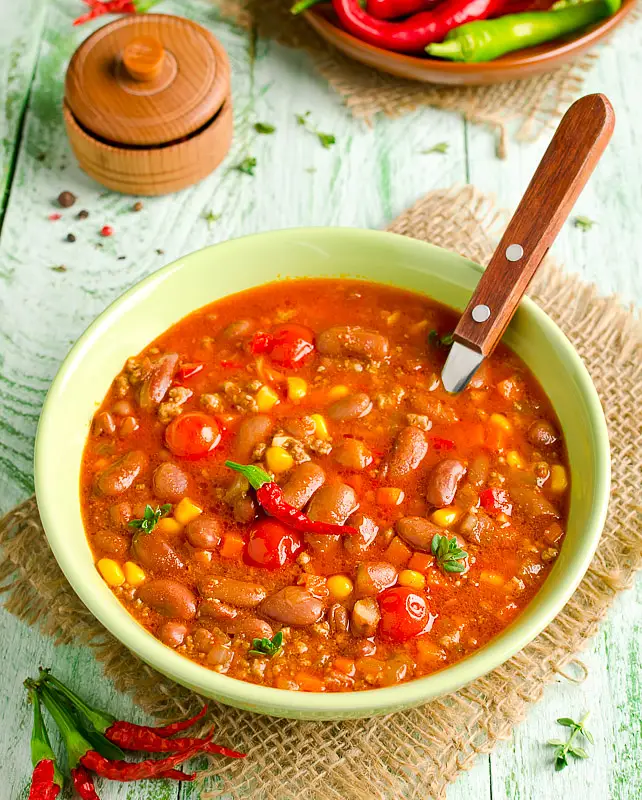
Chasing Chili


Chasing chili builds a slow-simmered base with ground beef chuck, lean pork, soaked pinto beans, and whole cumin seeds. A two-meat, scratch-bean chili built for a crowd.
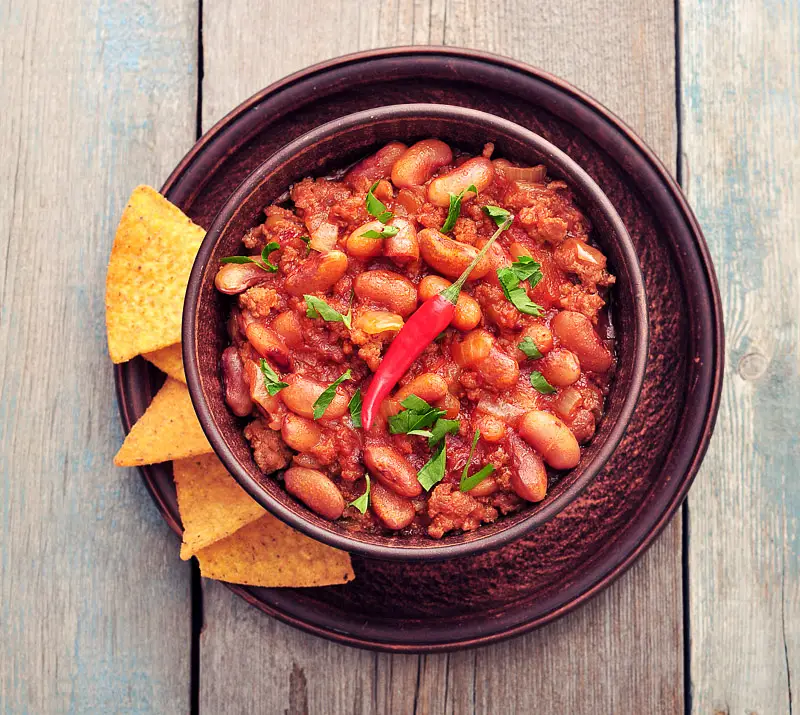
Chernobyl Chili
Chernobyl Chili: a big-batch ground beef and red kidney bean chili with 4 tablespoons of chili powder and serious heat. Cooked in the microwave then served from the crockpot. Built for a crowd.
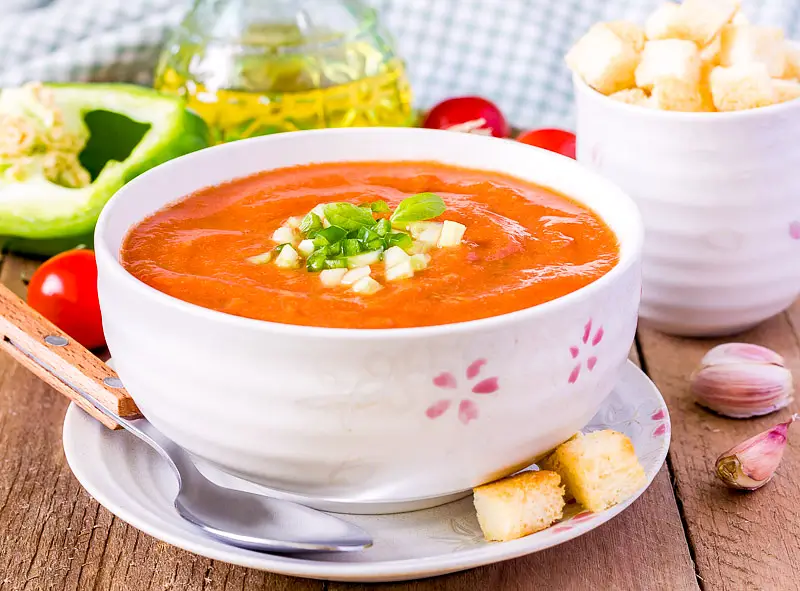
Gazpacho De Los Angeles
Gazpacho de Los Angeles blends tomato juice, cucumber, peppers, green chiles, and Worcestershire into a chilled, no-cook soup. The California take on the Spanish summer classic.
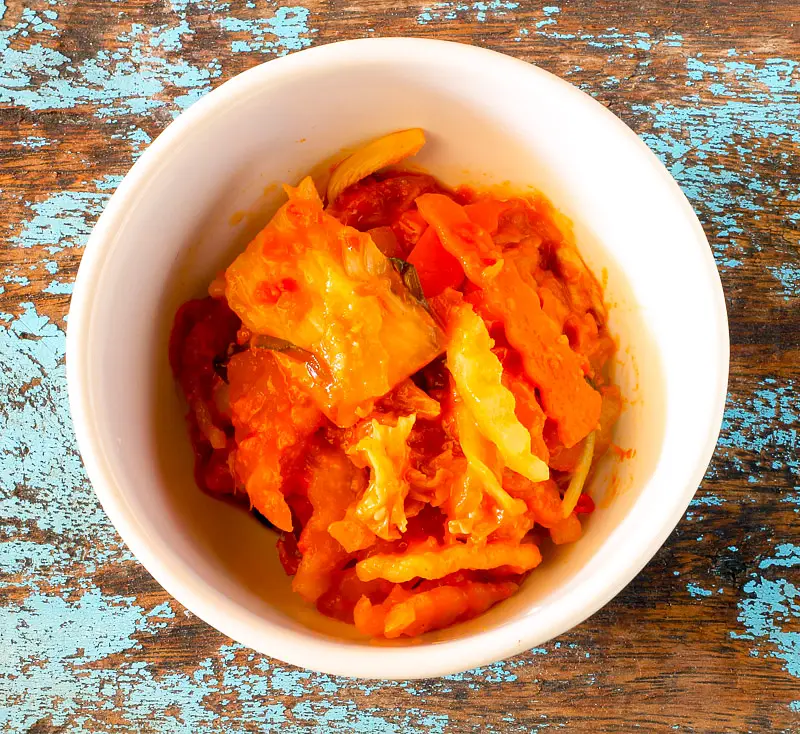
Cabbage, Carrot, & Green Pepper Kimchi
Three-vegetable kimchi: napa and green cabbage with carrots, scallions, and bell pepper fermented with a heavy garlic-red pepper-paprika paste. Big-batch Korean pickle, ferments 2-3 days at room temperature.
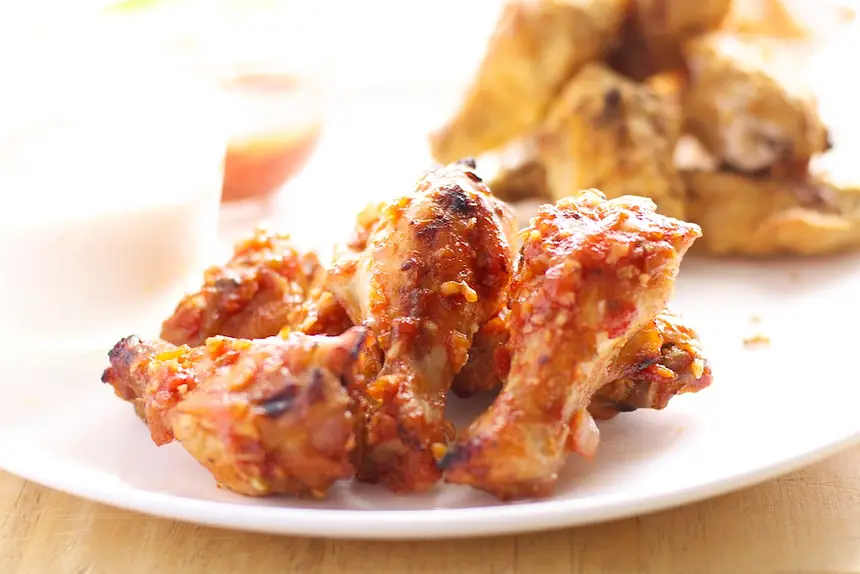
Beau's Sweet-Sour Chicken Wings
Sweet-sour chicken wings pressure cooked for tenderness, then glazed with a tomato, orange marmalade, ginger, and garlic sauce and broiled until sticky and caramelized. A hot sauce finish adds adjustable heat.
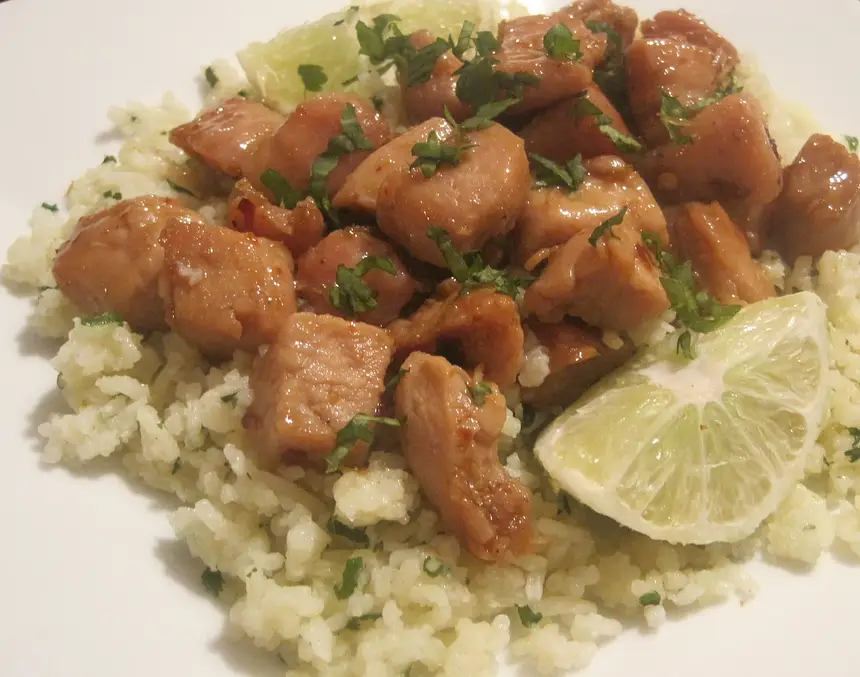
Sweet Chili Lime Chicken with Cilantro Couscous
"Chicken breast cubes simmered in a sweet and spicy lime-soy glaze are served with cilantro couscous in this quick and easy supper."
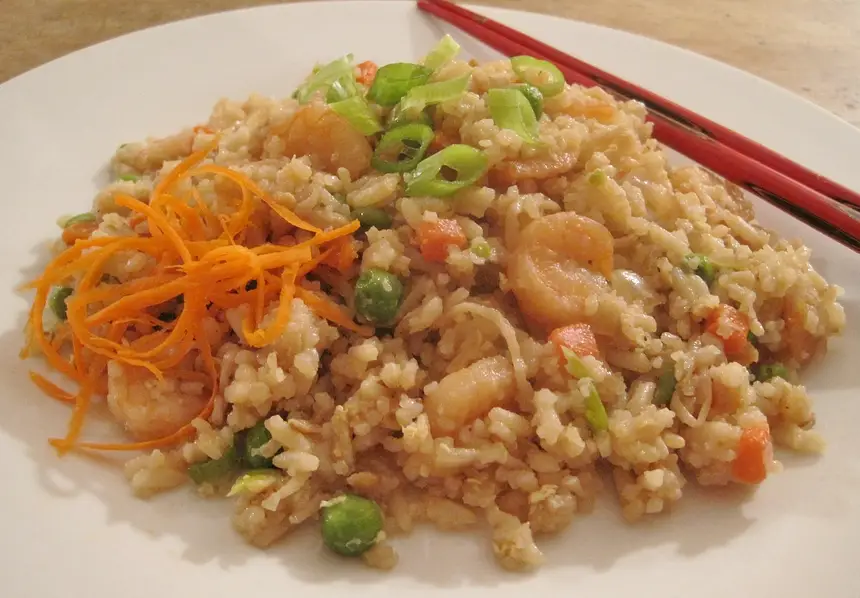
Chinese: Shrimp Fried Rice
I prepared this sans the pork as I had none. I added frozen peas, some fresh diced carrot and rinsed and drained bean sprouts. YUM!
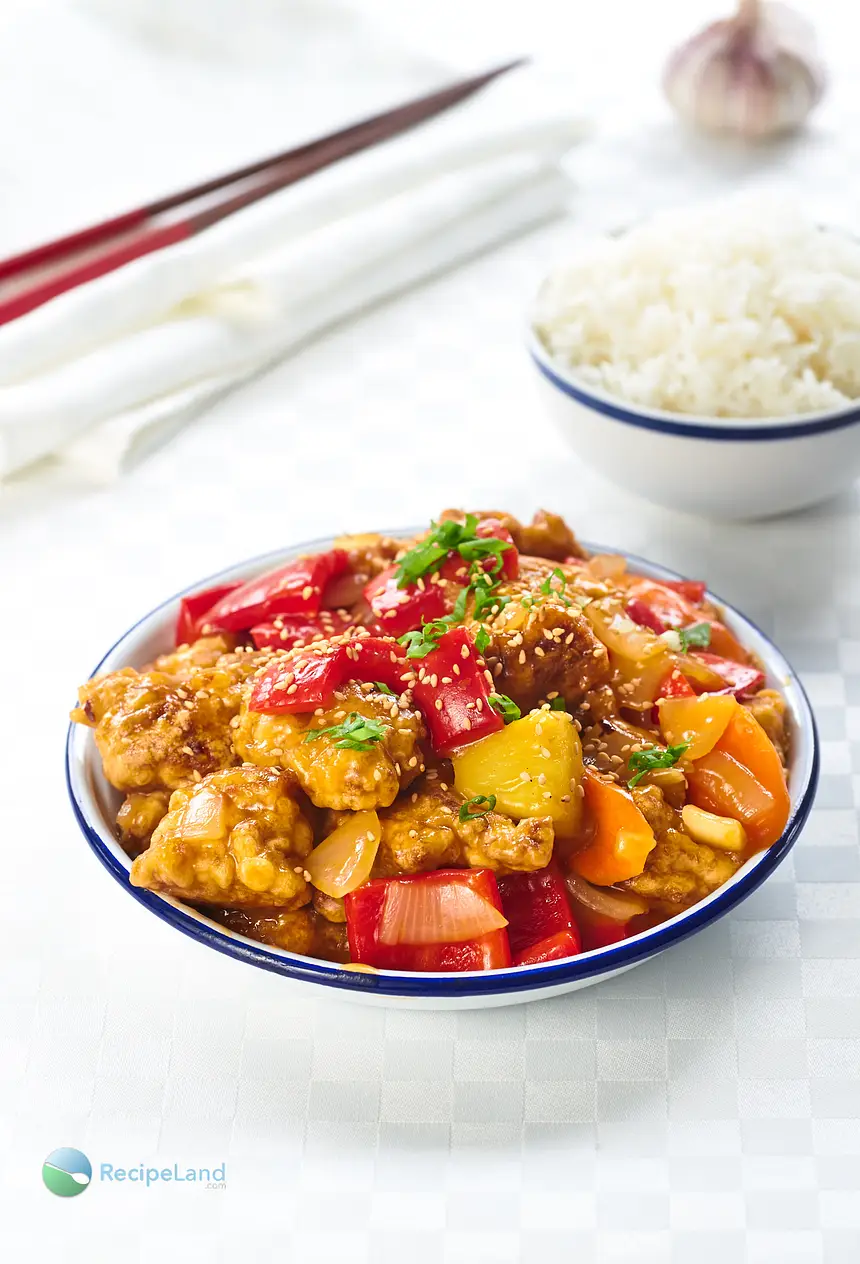
Asian Sweet & Sour Cod
Asian cod recipe. Asian marinated meaty cod with a crispy coating, colorful tender-crisp veggies, all glazed with a sweet-sour sauce.
Asian Sweet & Sour Cod
Asian cod recipe. Asian marinated meaty cod with a crispy coating, colorful tender-crisp veggies, all glazed with a sweet-sour sauce.
Ebi Kimizushi (Prawn Sushi with Egg Yolk)
Ebi kimizushi: elegant Japanese stuffed-prawn sushi, with butterflied vinegar-marinated prawns filled with a silky, seasoned golden egg-yolk paste. A refined, bite-sized appetizer.
Ebi Kimizushi (Prawn Sushi with Egg Yolk)
Ebi kimizushi: elegant Japanese stuffed-prawn sushi, with butterflied vinegar-marinated prawns filled with a silky, seasoned golden egg-yolk paste. A refined, bite-sized appetizer.
Baked Chili
Hearty ground beef chili with kidney beans and tomatoes baked under a golden cornmeal crust. A satisfying one-dish meal that feeds six with bold, homestyle flavor.
North Carolina Burgers
North Carolina burgers with ground chuck mixed with applesauce, onion soup mix, Worcestershire sauce, cracker crumbs, and hot sauce. A juicy, tangy Southern-style burger for the grill.
Bob's Beer Cheese Soup
Thick and creamy beer cheese soup built with Cheez Whiz, milk, sharp cheddar spread and a full cup of beer, spiced with Tabasco, Worcestershire and cayenne. A Wisconsin-style tavern soup ready in 40 minutes.

Pork-Ribs in Delicious Sauce
Chinese-style pork ribs marinated in five-spice, soy, and sesame, then deep-fried until crispy and glazed with a sweet-savory tomato-laced sauce. A takeout classic worth making at home.

Dinuguan (Blood Stew)
Dinuguan is a traditional Filipino pork blood stew simmered with liver, vinegar, fish sauce, and hot banana peppers. Rich, tangy, and boldly savory, this classic Pinoy comfort dish serves 4.



Peking Lamb with Leeks
Peking lamb with leeks stir-fries velveted lamb in savory brown bean sauce with Shao Hsing wine, dried chilies, and Chinese mushrooms. Triple-fried for crisp edges, soft centers, and deep wok flavor.
Horensho Hitashi (Spinach with Toasted Sesame Seeds)
Horenso hitashi, a classic Japanese blanched spinach side dish dressed in dashi, soy sauce, and sugar with toasted sesame seeds. Clean, simple, and ready in 20 minutes.
Oyako Donburi- Chicken & Egg Dish
Oyako donburi (parent-and-child rice bowl) with chicken simmered in homemade stock with mushrooms, bamboo shoots, and carrots, then finished with softly set eggs and green onions over steamed rice.
Vermont Spinach Salad
Fresh spinach tossed with diced hard-boiled eggs in a tarragon vinegar and olive oil dressing with garlic. A crisp, no-fuss New England salad that comes together in minutes.
Pecan or Walnut Loaf
Vegetarian pecan or walnut loaf with ground nuts, raw potatoes, onions, and dry bread put through a food chopper, bound with eggs, and baked. A hearty plant-based meatloaf alternative.
Northern Beef
Northern Chinese-style beef stir-fry with bok choy, sherry, five-spice, and a honey-soy gravy. A 25-minute wok dinner with real Northern provincial flavors.
Pork in Hot Peanut Sauce
Pork shoulder stir-fried with garlic and ginger, then simmered in a spicy peanut sauce with dark soy, sesame oil, and dried chiles, served over steamed bean curd and preserved radish.
Los Venganza Del Almo Chili
Texas-style beer chili with three meats (beef, pork, ground), masa harina thickening, and bold spices. Simmers for 3+ hours to develop deep, complex flavors.

Mexicali Corn Casserole
Mexicali corn stir fry combines two cans of corn with garlic, ginger, oyster sauce, and soy in a fast wok dish. A 20-minute side that pairs perfectly with steamed rice.
Vicki's Cream Cheese Balls
Retro cream cheese balls with dried beef and green onions, split three ways: black olive, green olive, and nut-rolled. A crowd-pleasing party appetizer trio.
Beau's Jalapeno Bean Dip
Beau's notes: * There are no "jalapeno beans;" there are jalapeno peppers and pinto beans. I have two recipes, both of which are quite tref, but a Catholic should worry? But if you are hosting a Jewish person, smoked turkey will substitute most agreeably for the chazer called for in either recipe.]
Sauteed Ampalaya Fruit
Filipino ginisang ampalaya with bitter melon, pork, shrimp, and scrambled eggs in a savory patis sauce. A classic Pinoy ulam best served hot over steamed rice.
Kinome-Ae (Bamboo Shoots with Green Soy Dressing)
Kinome-ae is a classic Japanese dish pairing dashi-simmered bamboo shoots with a vivid green miso dressing colored with spinach paste. Finished with fragrant sansho pepper powder.
Woods World Championship Chili
Championship chili layered with chicken broth, pork chops, flank steak, green chiles, and beer. A Texas-style three-meat bowl that's better the next day.

Moo Grataem (Stir Fry Pork with Garlic)
Moo grataem, a Thai garlic pork stir-fry with fish sauce, sweet dark soy sauce, and fresh cilantro. Thin-sliced pork tenderloin over rice in 30 minutes flat.
Creamy Carrot Cheddar Soup
Creamy carrot cheddar soup uses canned cream of cheddar, chicken broth, milk, and a quick roux for a 30-minute weeknight bowl. Sweet carrot, savory cheese, paprika, and Worcestershire give it depth.

Tom Yum Goong
Tom Yum Goong is the classic Thai hot and sour shrimp soup: bright lemon, fish sauce, chilies, and Chinese mushrooms in a fragrant broth. Ready for a weeknight, authentic enough to crave.
Oriental Barbecue Pork Tenderloin
Asian-style barbecue pork tenderloin marinated in soy sauce, sesame oil, garlic, and fresh ginger, then smoked on a covered grill. Served with a sesame barbecue sauce.
Oyster Spinach Soup
Oyster spinach soup with pureed oysters in a creamy milk and half-and-half base, finished under the broiler with a golden cap of whipped cream.
Szechuan Chicken
Szechuan chicken stir-fry with cornstarch-coated chicken breast, garlic, soy sauce, vinegar, and a hot kick of cayenne. The classic American-Chinese takeout dinner ready in 35 minutes.
Hamaguri Sakami (Sake Seasoned Clams)
Hamaguri Sakami are sake-seasoned clams served at room temperature in their shells with lemon. A minimalist Japanese appetizer that highlights the clean, briny sweetness of littleneck clams.
Duck Gumbo
Duck gumbo simmers deboned duck in a dark butter roux with okra, tomatoes, and the Cajun holy trinity for a rich bayou stew. Ladle over rice for a Louisiana cold-weather classic.
Teriyaki Chicken
Teriyaki chicken marinates broiler-fryer pieces in soy sauce, sake, sugar and fresh grated ginger, then cooks in the microwave for tender, glossy Japanese-style chicken in 20 minutes.
Mom's Green Noodles
Mom's green noodles: egg noodles tossed in a parsley-butter-sour cream sauce with Parmesan, Romano, and fresh garlic. A bright, herby family pasta recipe in under 30 minutes.
Papaya-Seed Dressing
Papaya seed dressing with tarragon vinegar, dry mustard, and onion blended thick. A Hawaiian-inspired sweet vinaigrette with peppery seeds that pop. Ready in 5 minutes.
Dry Seasonings
Learn how to use dry seasonings when preparing hearty dinners with this simple recipe.
Fish Soup#1
Clear fish soup with fresh ginger, quartered tomatoes, and a bright squeeze of lemon finished with scallion. A light, clean-tasting one-pot broth ready from pantry staples and whole fish.
Pepper Onion Beef
Chinese pepper onion beef with flash-fried flank steak, scallions, and loads of black pepper. Marinated in soy, sherry, and ginger then wok-tossed.
Sambai-Zu (Rice-Vinegar & Soy Dipping Sauce)
Sanbaizu is a classic Japanese dipping sauce made with rice vinegar, dashi, soy sauce, and sugar. A light, tangy all-purpose condiment for dumplings, sashimi, and sunomono.
Chinese: Chicken Wing Drumsticks
Chicken wings reshaped into mini drumsticks, marinated in five-spice and rice wine, sealed with egg white, coated in cornstarch, and double deep-fried until shatteringly crispy. An authentic Chinese technique for the crunchiest wings.
Chicken Soup with Mongo Beans
Filipino chicken soup simmered with peeled mung beans, ginger, garlic, tomatoes, fish sauce, and anchovy until thick and hearty. A nourishing one-pot comfort meal.
Ramen Supreme
Upgraded ramen noodles stir-fried with cabbage, bell pepper, onion, and diced ham or Spam with red pepper flakes. A budget-friendly, filling dinner that turns instant noodle packets into a real meal.
More monosodium glutamate recipes
- Butterburgers
- Chicken & Cashew Nuts
- Classic Lasagne
- Dry Seasonings
- Easy Pickled Cucumbers
- Gaslight Restaurant Peppercorn Dressing
- Hot Chicken Salad with Potato Chips
- Mom's Green Noodles
- Mom's Macaroni with Steak
- Pepper Onion Beef
- Raw Mushroom Dip
- Sichuan Cashew Chicken
- Squash Parmesan
- Teriyaki Chicken
- Woods World Championship Chili