What Are Pumpkins and How Can I Use Them?
If pumpkins have turned up in a recipe or caught your eye at the store, here's what you need to use them with confidence and how to choose them, cook them, store them, what to substitute, and 6 recipes to try them in.
Key Points
- Cook with small sugar or pie pumpkins; big carving pumpkins are watery and stringy.
- Roast halves cut-side down at 400°F (200°C) for deep flavor and a smooth purée.
- Canned purée is concentrated, so home-roasted purée may need draining to avoid soggy pies.
- Mild and faintly sweet, it pairs with warm baking spices or sage and brown butter.
- Whole pumpkins keep two to three months somewhere cool and dry, not in the fridge.
What are pumpkins?
A pumpkin is a winter squash with hard ribbed skin and dense orange flesh around a hollow center packed with flat seeds. It belongs to the same family as butternut and acorn squash, and most of what you do with those you can do with a pumpkin.
The catch is that not all pumpkins are made for eating. The big jack-o-lantern types are bred for size and a sturdy shell, so their flesh turns out watery and stringy.
The ones worth cooking are the small, heavy sugar or pie pumpkins, usually three to eight pounds, with thick sweet flesh.
Cooking With Pumpkin
Roasting is the move. Halve the pumpkin, scoop out the seeds and strings, and roast cut-side down at 400°F (200°C) until a knife slides in easily, about 40 to 60 minutes.
The flesh then scoops away from the skin and purées smooth, with a deeper, less watery flavor than anything boiling gives you.
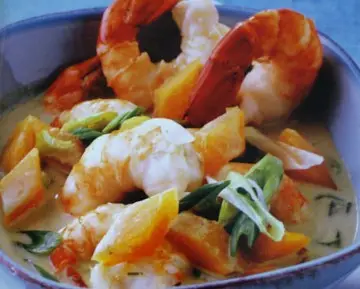
That purée is the base for pies and quick breads as well as many soups. Roasted Spiced Pumpkin Maple Soup leans on it for body and sweetness, while Shrimp & Pumpkin Curry uses chunks that hold their shape in the pan.
A small whole pumpkin can also be the bowl. Miniature Pumpkin Soup in the Shell hollows one out and bakes the soup right inside.
Do not throw out the seeds. Rinse off the strings, toss them with oil and salt, and roast at 300°F (150°C) for about 30 minutes for crisp pepitas.
Pairing and Common Mistakes
Pumpkin is mild and a touch sweet, so it takes flavor from whatever you give it. Warm cinnamon and nutmeg pull it toward dessert, while sage and brown butter push it savory. A swirl of coconut milk or a spoon of maple rounds out a soup.
The biggest mistake is a watery purée. It comes from boiling instead of roasting, or from using a carving pumpkin. Roast the flesh, and if it still seems loose, drain the purée in a sieve before baking with it.
The second mistake is treating fresh and canned as identical by volume. Canned pumpkin is concentrated, so a cup of your own roasted purée carries more water and can leave a pie or bread soggy. Cook your purée down or drain it first.
Substitutes
Any sweet winter squash steps in cleanly. Butternut is the closest match for purées and soups, a touch sweeter and just as smooth. Kabocha or red kuri bring a drier, chestnut-like flesh that some cooks prefer, and sweet potato works in pies and breads with a similar color and sweetness.
The easiest swap of all is canned pumpkin purée. It is pure pie pumpkin already cooked down, which saves you the roasting. Use it cup for cup where a recipe calls for purée, but reach for fresh when you want chunks that hold their shape.
Buying and Storing Pumpkins
For cooking, skip the big display pumpkins and look for a small sugar or pie pumpkin that feels heavy for its size, with firm unblemished skin and an inch or two of dry stem still attached. A missing stem opens a path for rot.
Whole, an uncut pumpkin keeps a long time. Store it somewhere cool, dark, and dry around 50 to 55°F (10 to 13°C) and it holds for two to three months. Skip the fridge for whole pumpkins, since the damp cold actually shortens their life.
Once cut, wrap the pieces and refrigerate them, where they last about five days. Cooked purée keeps three to four days in the fridge and freezes well for months, so roast a big batch in the fall and freeze it in one-cup portions for pies and soups all winter.
Quick facts
- In Chinese
- 南瓜
- British (UK) term
- Pumpkins
- en français
- citrouilles
- en español
- calabazas
Recipes using pumpkins
There are 6 recipes that contain this ingredient.
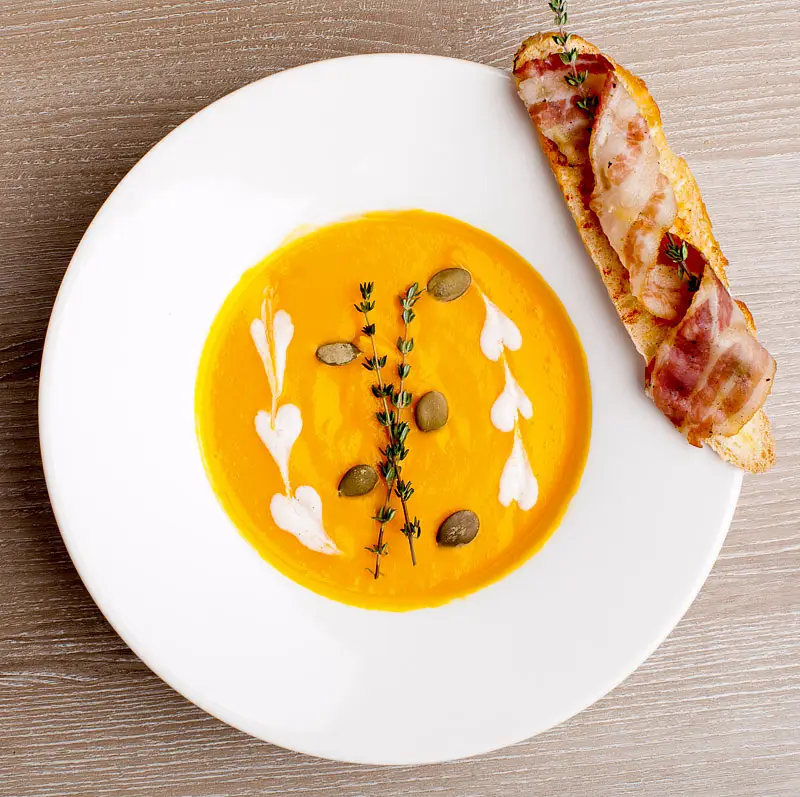
Roasted Spiced Pumpkin Maple Soup


Nothing is better than a warm pumpkin soup at your Thanksgiving menu.
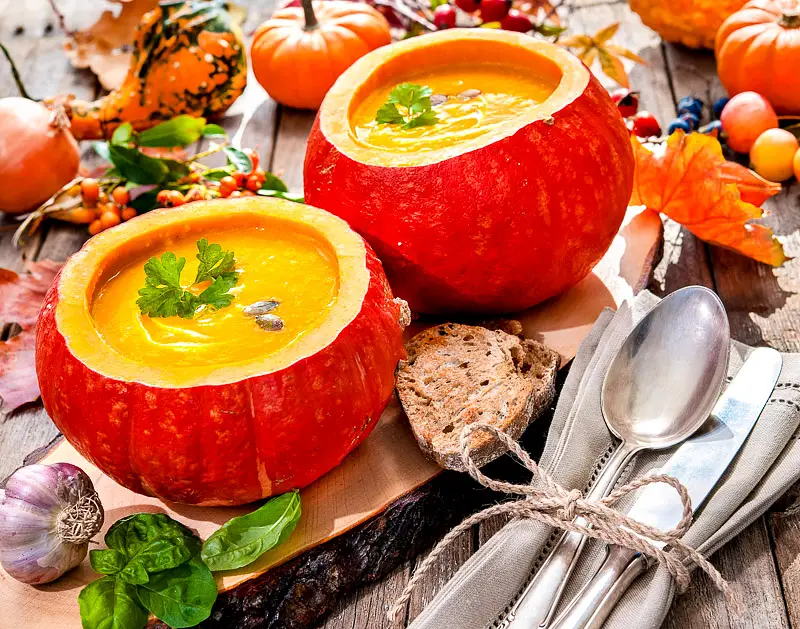
Miniature Pumpkin Soup in the Shell

Miniature pumpkin soup served in hollowed roasted pumpkin shells with sage, onion, and Parmesan. Dramatic individual-portion fall starter that doubles as edible tableware.
Stuffed Thanksgiving Pumpkins
Try this new and delicious spin on Thanksgiving where the pumpkins are stuffed with pine nuts, celery and apricots.
Stuffed Pumpkins with Herbs & Bread Crumbs
Mini pumpkins stuffed with herbed rye bread cubes, carrots, celery, and onion, baked until tender. A vegetarian fall main dish that doubles as a stunning table centerpiece.