Hot chili peppers rewards a little know-how: how to choose it, cook it, store it, and substitute in a pinch. Browse 673 recipes to cook with it.
Key Points
Hot chiles span cayenne, serrano, Thai bird's eye, habanero, and dried reds, measured in Scoville Heat Units.
Capsaicin lives in the pale inner ribs, not the seeds; scrape ribs out to tame heat.
Wear gloves; the oil clings to skin and does not rinse off with water.
Cool the burn with fat or acid like coconut milk, sour cream, or lime.
Store fresh one to two weeks; freeze whole or dry and grind to keep heat for months.
What are hot chili peppers?
Hot chili peppers are the fiery end of the chile family, the ones grown for burn rather than mild pepper flavor. The group spans cayenne, serrano, Thai bird's eye, and habanero, along with the dried red chiles that power hot sauces and spice blends.
The heat comes from capsaicin, a compound concentrated in the pale inner ribs (the placenta) that hold the seeds, not in the seeds themselves. It is measured in Scoville Heat Units, and the spread is enormous.
A poblano sits near 1,500 SHU, a jalapeño around 5,000, cayenne and serrano land in the tens of thousands, and a habanero runs past 100,000. That range is why a recipe almost never says "hot chile" without telling you which one.
Handling the Heat
Wear gloves when you prep anything hotter than a jalapeño. Capsaicin is an oil that binds to skin and does not rinse off with water, so it transfers to whatever you touch for hours afterward.
To dial heat down, slice the pod open and scrape out the ribs and seeds with a spoon before chopping. Most of the burn lives in those ribs, so removing them leaves the chile flavor with far less sting. Leave them in when you want full force.
Capsaicin is fat-soluble, and that is how you build heat you can control. Bloom the chiles in oil at the start of cooking and the burn spreads evenly through the dish, the way it does in Chili-Corn Sauce or a pot of Chili with Lamb & Black Beans.
The mistake nearly everyone makes once is rubbing an eye or lip after handling chiles bare-handed. The capsaicin oil is still on your fingers and the sting is brutal. If it happens, flush with milk or a fat, never plain water, which just spreads it.
The other mistake is over-seeding out of caution and ending up with no chile flavor at all. Taste as you build, because you can always add heat but you cannot pull it back out.
Swaps by Heat Level
Match the swap to the Scoville range you need. For moderate heat, a jalapeño pepper or serrano chiles cover most recipes; for serious fire, reach for habanero or a hotter dried variety.
When fresh chiles run out, cayenne pepper, red pepper flakes, or a few dashes of hot sauce stand in for cooked dishes. Start with a quarter of what you think you need. Ground and dried chiles concentrate, so they hit harder than they look.
Buying and Storing
Pick firm pods with tight, glossy skin and no soft or wrinkled patches. Wrinkling means the chile is drying out and losing punch.
Color should be deep and even, the stem still green and fresh. Keep fresh hot chiles loose in the crisper drawer, unwashed, and they hold one to two weeks. Drier pods like Thai bird's eye last longer than fleshy ones.
For storage past that, freeze them whole in a bag; they soften but keep their heat for cooking. You can also dry thin-walled chiles whole and grind them later.
Dried chiles and flakes hold their heat for months in an airtight jar away from light, though they fade gradually, so buy amounts you will use within a year.
Types of hot chili peppers
Specific kinds of hot chili peppers and the recipes that use them.
Green chili peppers are fresh chiles picked while still green, before they ripen to red. In the kitchen the name usually points to the mild-to-medium group: Anaheim, poblano, Hatch, and the long green Mexican chiles, plus the canned chopped green chiles sold in small cans for quick cooking.
Their flavor is grassy and bright with a vegetal edge, more like a hot green pepper than the deep, fruity heat of a ripe red chile. Heat ranges from gentle to noticeable depending on the variety, which is why most recipes name the chile or just say "to taste."
Reach for it when you want green flavor and warmth without scorching a dish.
Red chili peppers are simply chiles that have stayed on the plant until they ripen. Almost every chile turns red (or orange, or deep maroon) when fully mature.
That ripening changes the flavor. The grassy bite of the green stage gives way to something fruitier and rounder, even as the heat often climbs.
Used fresh, they bring color and a warm, mellow burn. Dried, they become the backbone of chili powders and the chile pastes behind countless cuisines.
A chipotle is a jalapeno that has been ripened to red, then smoked and dried. That double process turns a bright, grassy pepper into something deep and woody, with a slow medium heat most people can handle.
On the Scoville scale a chipotle lands around 2,500 to 8,000 units, the same range as the jalapeno it came from. The smoke is what makes it different, not the burn.
You will find chipotles two main ways. Canned in adobo, a tangy tomato and vinegar sauce, they are soft and ready to use. Sold dry, often labeled meco or morita, they need a soak in hot water first.
The habanero is a small, lantern-shaped chile that ripens from green to bright orange or red. It is one of the hottest peppers most home cooks will ever handle, and it carries a fruity, almost floral flavor underneath the fire.
On the Scoville scale a habanero runs from about 100,000 to 350,000 units, around 50 times hotter than a jalapeno. The heat arrives fast and lingers.
That fruitiness is the reason to bother. Behind the burn is a tropical, slightly citrusy sweetness that no milder pepper can fake. It is what makes habaneros central to Caribbean, Yucatecan, and West African cooking.
Banana peppers are long, tapered yellow peppers named for the obvious: the shape and the color look like a small banana. They run mild and lightly sweet, with a tangy edge that gets sharper once they are pickled.
Most people meet them as pickled rings. Those bright yellow slices get piled onto subs and pizza and tossed through salads. Fresh, they are crisp and grassy, closer to a sweet pepper than a hot one.
On the heat scale they barely register, roughly 0 to 500 Scoville units. That is far milder than a jalapeno, so they add flavor and crunch without setting anyone's mouth on fire.
The Thai bird's eye chili is a tiny chile, often barely an inch long, that delivers a sharp, immediate heat far out of proportion to its size. Thai cooks call it prik kee noo, and it is the default fresh chile across much of Southeast Asia.
Small as it is, this is not a beginner chile.
Heat lands in the 50,000 to 100,000 Scoville range, several times hotter than a serrano. The burn hits fast and bright, then fades, rather than building slowly the way a habanero does.
You will see them green or red on the same plant. Green ones are a touch grassier and sharper, red ones a little riper and fruitier, but both carry serious heat.
The scotch bonnet is a small, wrinkled chile that brings most of the heat to Caribbean cooking. It is named for its squat, lobed shape, which looks a little like a tam-o'-shanter cap, and it ripens from green through yellow to a deep orange-red.
The flavor underneath the burn is what separates it from a generic hot pepper. Behind the heat is a fruity, almost tropical sweetness, with notes that lean toward mango and apricot, which is why it belongs in jerk seasoning and island hot sauces rather than just any chili.
It is genuinely hot. On the Scoville scale it runs roughly 100,000 to 350,000 units, dozens of times hotter than a jalapeño, so a little goes a long way.
Sambal ulek is the most stripped-down of the Indonesian chili sambals: fresh red chilies ground to a coarse paste with salt, and little else.
No garlic, no shrimp paste, no sugar in the basic version, just clean, bright, blazing chili heat.
The name comes from the ulekan, the stone mortar and pestle used to crush the chilies. That coarse grind is part of its character, leaving you with a rough, seedy, vivid-red paste rather than a smooth sauce.
It is the building block sambal that gives a dish its heat without committing it to any other flavor, raw chili in spoonable form, which is why cooks across Indonesia and the Dutch-Indonesian kitchen reach for it constantly.
Pepperoncini are small, wrinkled peppers, light yellow-green, usually sold pickled in a tangy brine. They turn up in Italian and Greek cooking, where their job is brightness more than heat.
One bite is tart and a little sweet, with barely any warmth behind it.
On the Scoville scale they run about 100 to 500 units, milder than a jalapeno by a wide margin. That low heat is the whole point: pepperoncini add a vinegary pop without setting your mouth on fire.
Popular in Italian cooking, hot pickled cherry peppers are often found in the International aisle of the supermarket as opposed to the pickle aisle. Some jars feature a mixture of green and red peppers, which are equally as hot.
Don't confuse hot cherry peppers with roasted red peppers.
On the Scoville scale, which measures the level of capsaicin (the component that makes peppers spicy hot), cherry peppers can range from a warm 100 to a mouth-scorching 5000 units, which is about the same as a jalapeno pepper.
Typically, you would remove the seeds and inner membrane, which will significantly reduce the amount of spicyness.
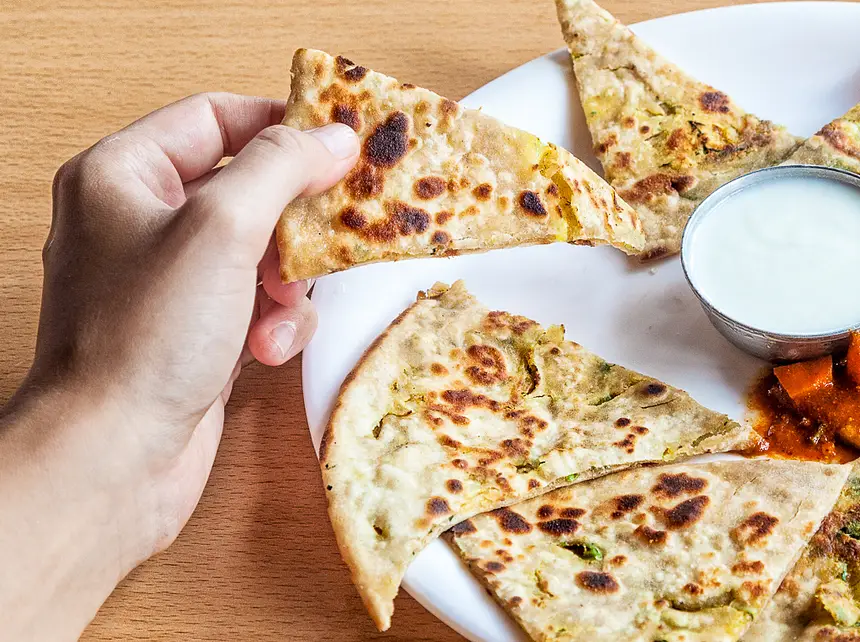
Gobhi Paratha: Indian stuffed cauliflower flatbread made with whole-wheat dough and a spiced filling of cauliflower, cumin, turmeric and green chili. Pan-fried in ghee until golden.
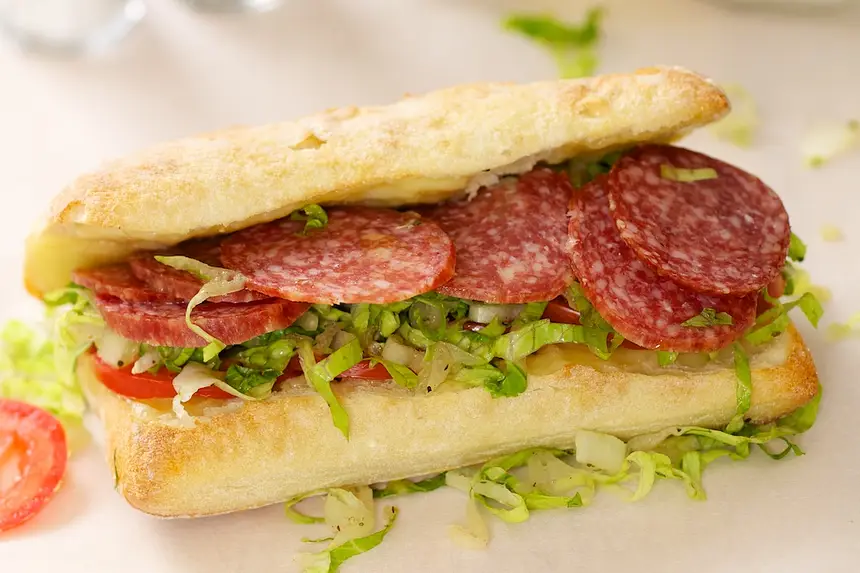
Capocollo, salami, and provolone stack on a crusty Italian sub roll with crisp lettuce, fresh tomatoes, hot peppers, and a drizzle of Italian dressing for a classic deli-style sandwich in 10 minutes.
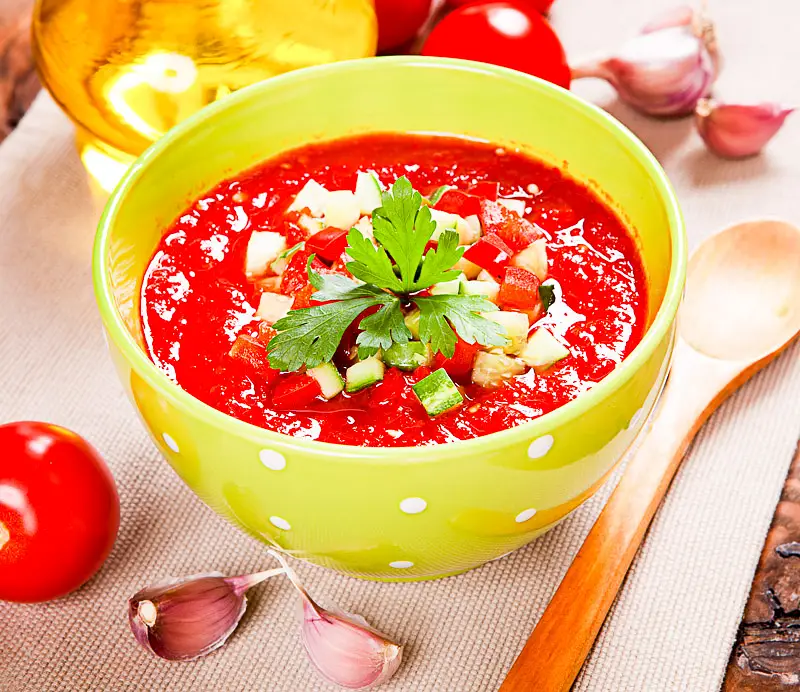
Quick blender gazpacho with tomato, cucumber, green pepper, and rice vinegar. Vegan no-cook Spanish-style cold soup ready in 10 minutes. Garnish with finely diced cucumber for crunch.
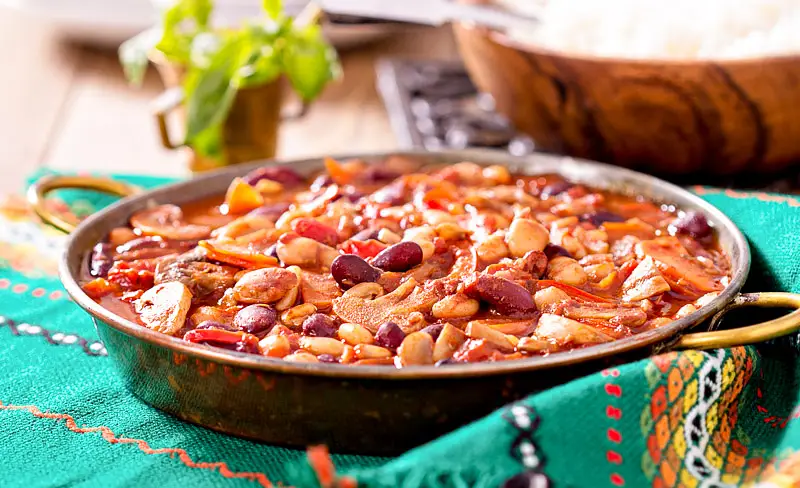
Vegan chili made hearty with marinated tempeh, kidney beans, mushrooms, and a long simmer in tomato and vegetable stock. Deep, savory, slow-cooked Meatless Monday meal.
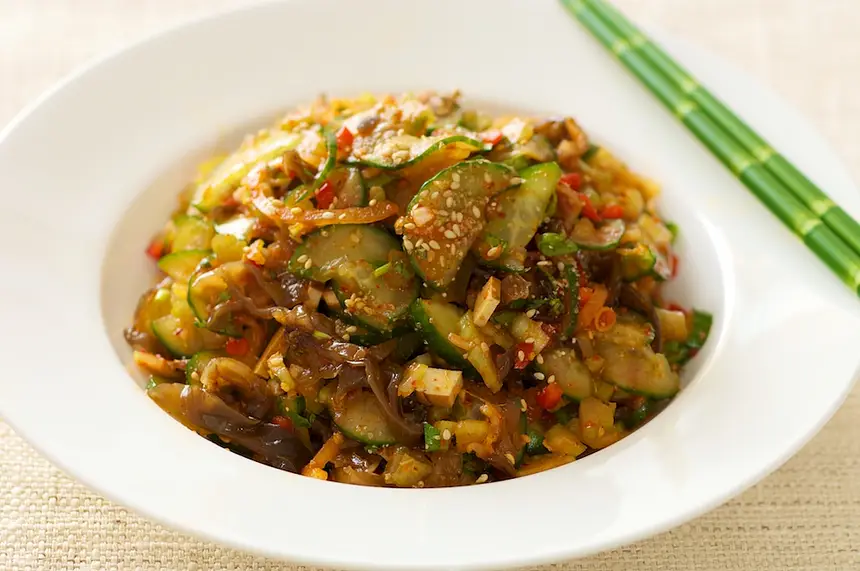
Sweet, sour and slightly spicy. Cucumber, sweet bell pepper, carrots, wood ears and smoked tofu are tossed with rice vinegar, maple syrup, sesame oil, soy sauce and Korean chili pepper. A very tasty side dish that goes well with all your favorite Korean dishes or most of the main courses.
Classic stovetop chili with ground beef, dried pinto or kidney beans, fresh tomatoes, and a hit of cumin and hot chili. Slow-simmered for three hours until the beans turn velvety.
Remember the Alamo Chili: a hearty Texas-style ground beef chili built on fresh hot chilies, garlic, cumin and citrusy Mexican oregano in a rich tomato base. Add beans if you must, and finish with a cool spoonful of sour cream.
Thai pumpkin and coconut cream soup blends shrimp, lemongrass, and chilies into a paste, then simmers cubed pumpkin in coconut milk with basil for a fragrant Southeast Asian first course.
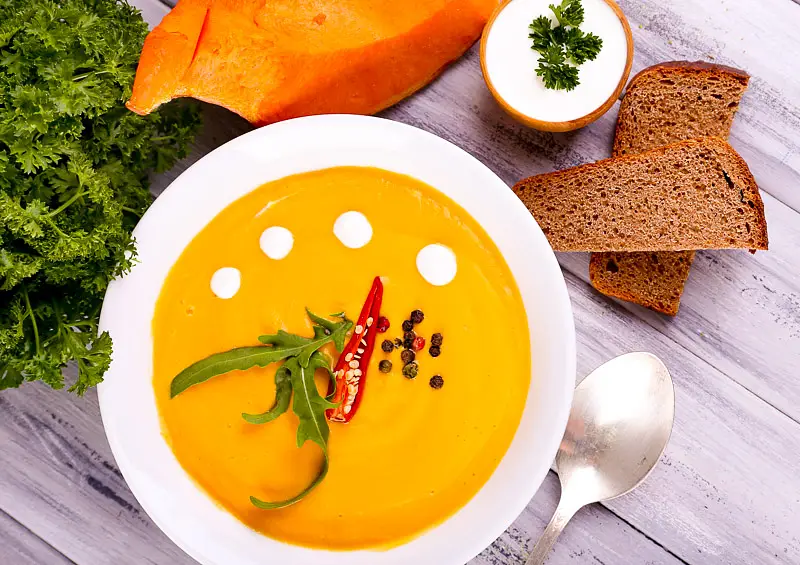
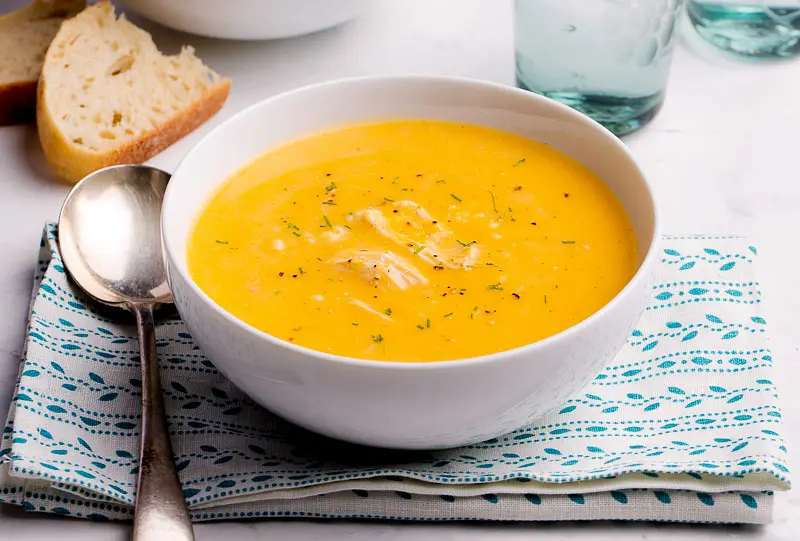
Pumpkin soup with coconut cream and fresh ginger, brightened with lemon juice and a pinch of chili. Pureed silky-smooth and finished with chopped coriander. Thai-leaning fall comfort that works hot or chilled.
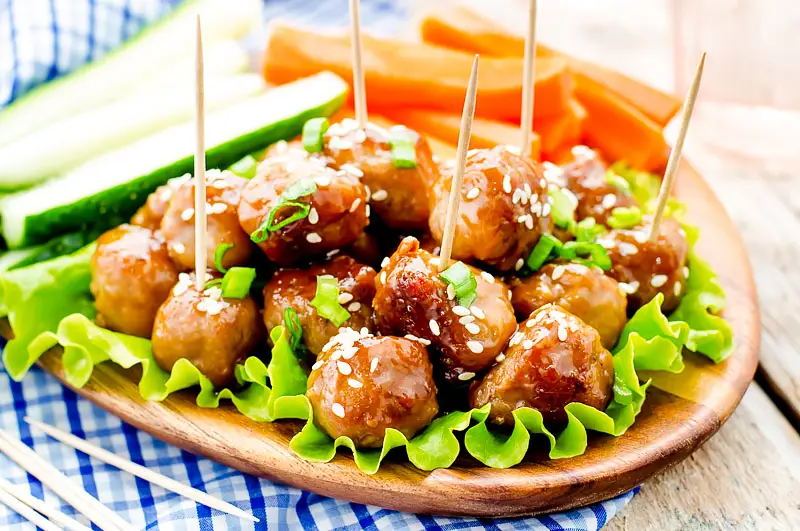
Ginger-spiked pork meatballs browned until golden, then simmered in curried coconut milk sauce and served on crisp lettuce with fresh basil and lemon zest. A Thai twist on the Chinese classic.
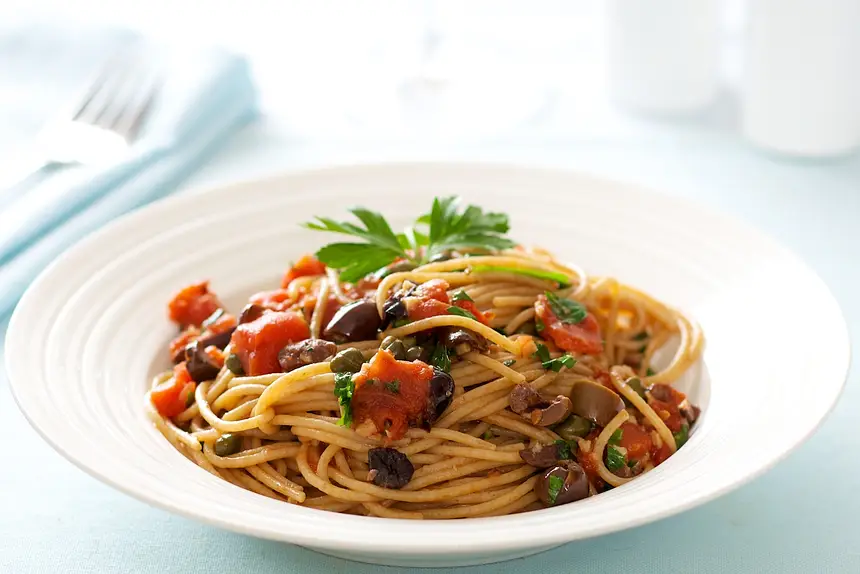
Bold, briny spaghetti alla puttanesca with San Marzano tomatoes, capers, black olives, and anchovies tossed in garlicky olive oil. This quick Italian pasta dish hits the table in 40 minutes with layers of salty, savory depth in every forkful.
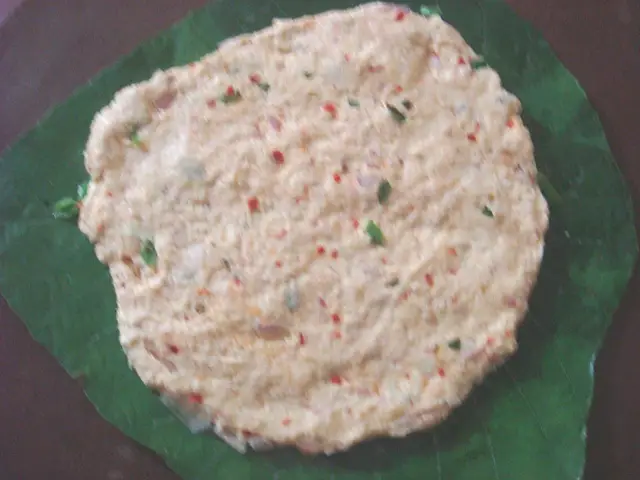
Sri Lankan coconut roti (pol roti), a rustic pan-fried flatbread packed with shredded coconut, fresh chili, and curry leaves. No yeast, ready fast, and made to scoop up fish or chicken curry.
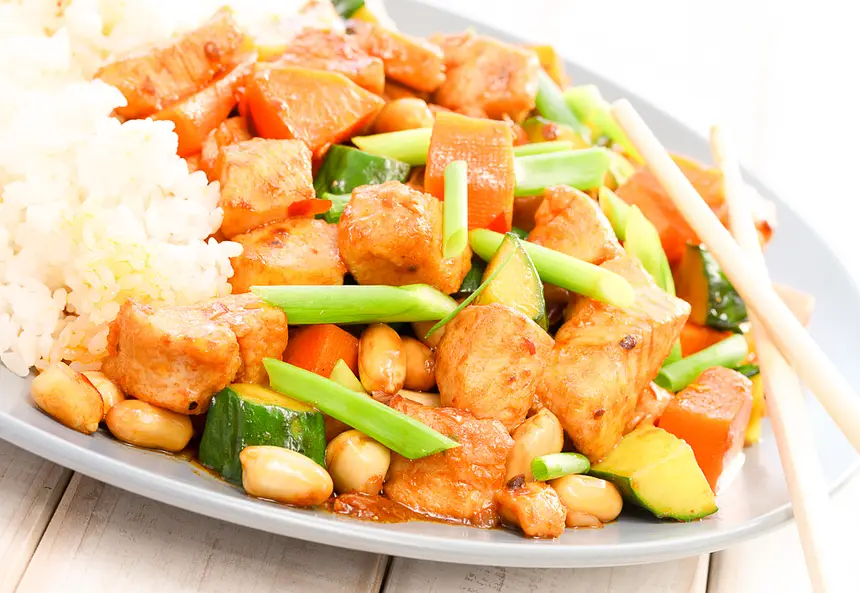
Traditional Chinese Recipe. You can cook this kung pao chicken in many ways, it depends on your own flavour, this sweet juistice should be loved by kids and women!
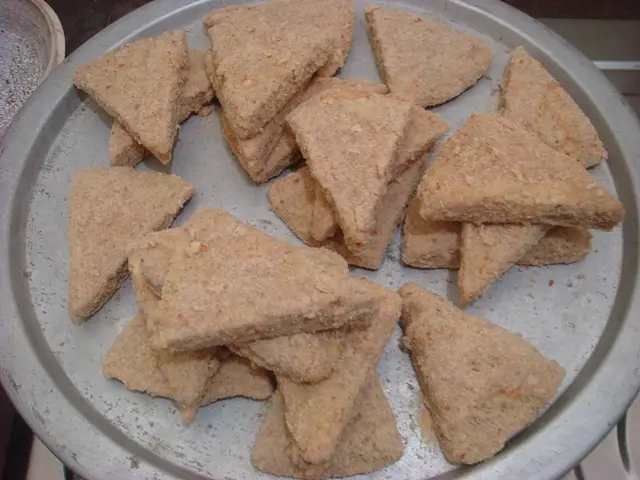
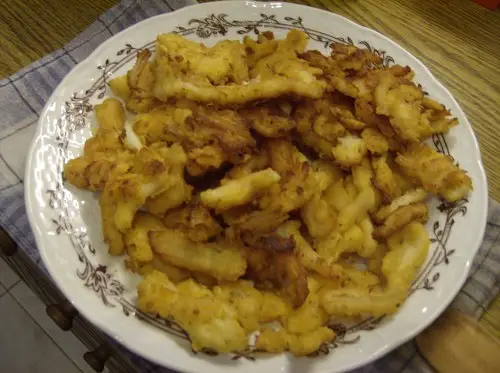
Tripe spicy batter: precooked tripe dipped in a zesty white-wine batter spiked with garlic, chili, and Greek gyros seasoning, then fried crisp and golden. Crunchy fritters to dunk in tartar sauce or mayo.
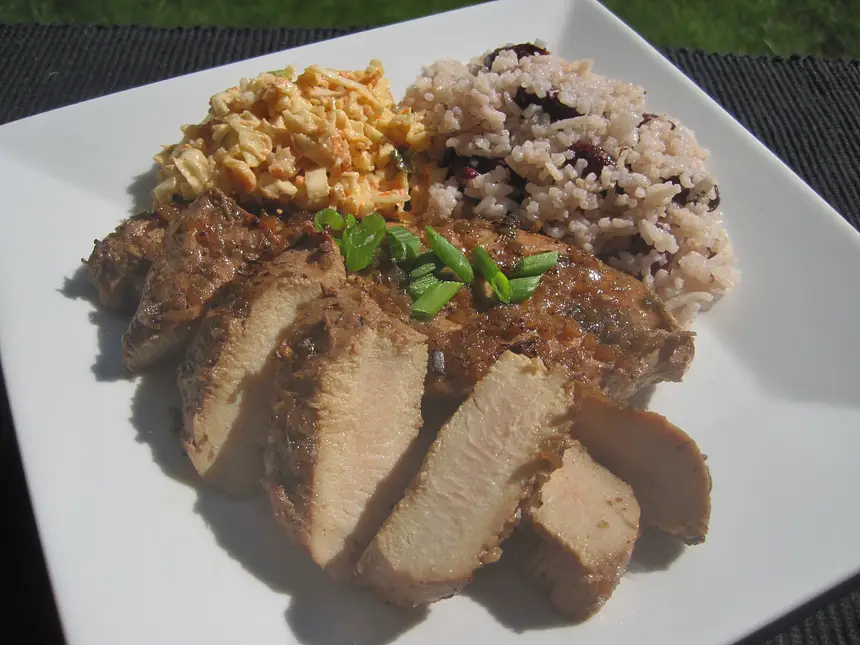
Jamaican jerk marinade with allspice, scotch bonnet chili, thyme, and scallions. Authentic Caribbean heat and warm spice for chicken, pork, or seafood. Mix and marinate.
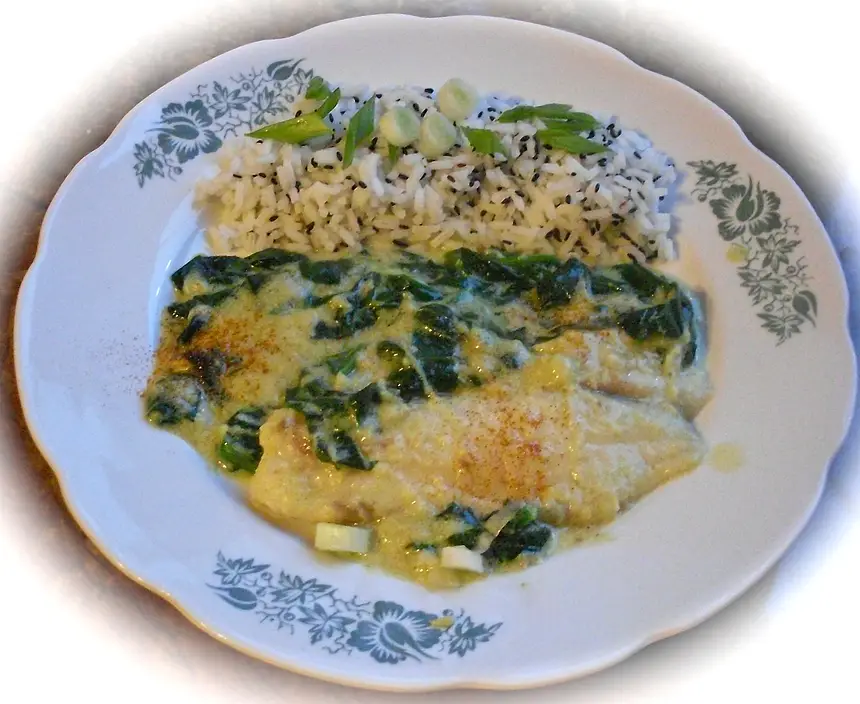
Indonesian grilled fish simmered in a fragrant coconut milk curry with turmeric, ginger, lemongrass, and fresh greens. A traditional Gulai recipe that brings bold Southeast Asian flavors to your table in 35 minutes.
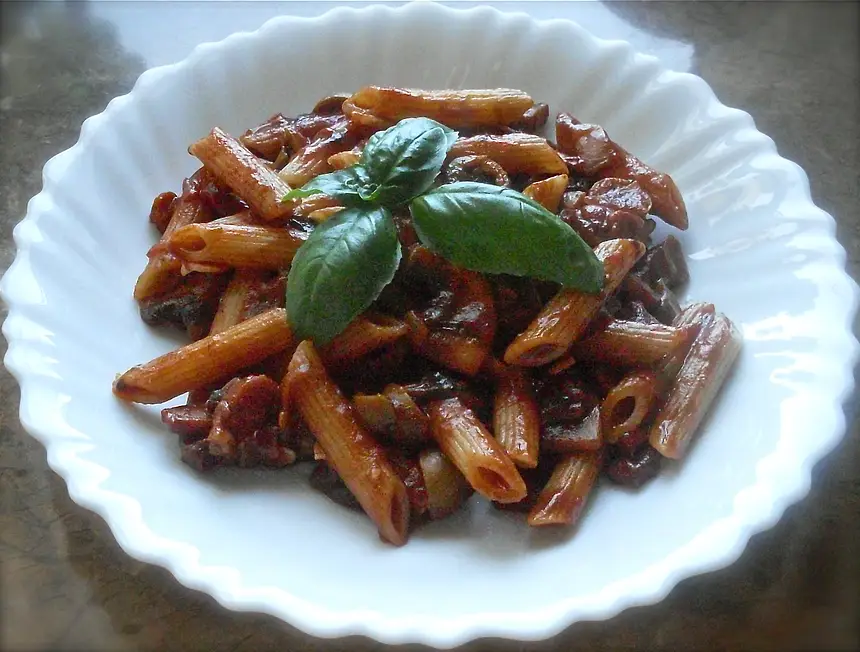
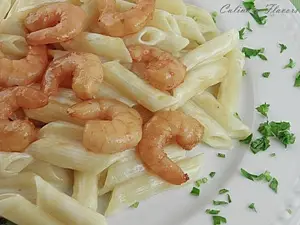
Fiery penne all'arrabbiata with pancetta, crushed Roma tomatoes, capers, green olives, anchovies, and hot chili peppers simmered in red wine. A bold, spicy Italian pasta ready in 45 minutes.
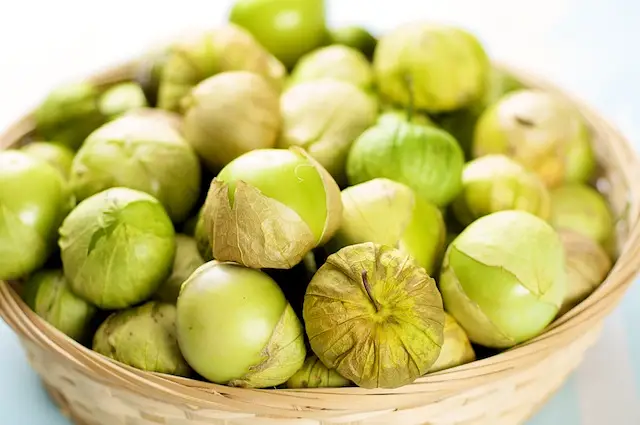
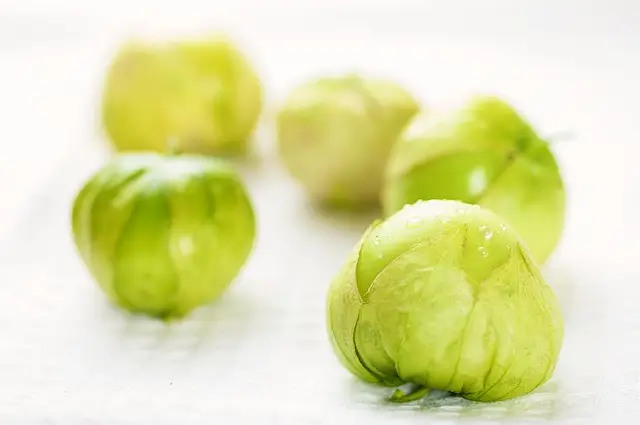
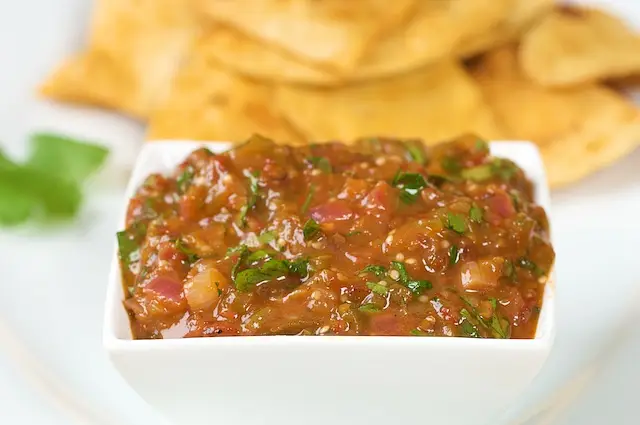
Fresh tomatillo salsa verde with roasted garlic, hot chili peppers, scallions, cilantro, and a squeeze of lime. Chunky, tangy, and layered with smoky roasted depth. Makes 3 cups for chips, tacos, and everything in between.
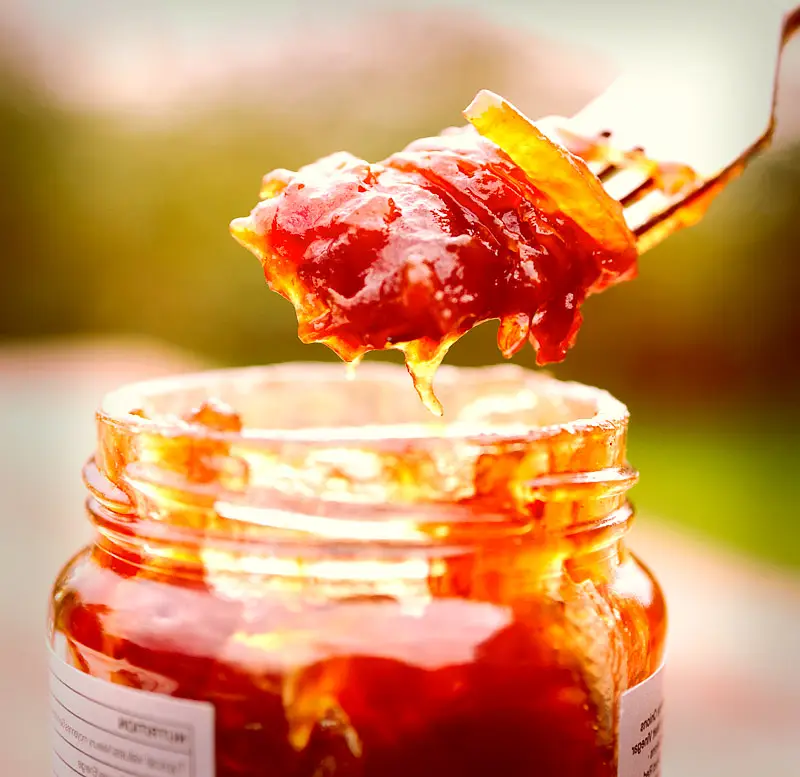
Hot Vidalia onion chutney is a fiery, lemon-bright condiment with cumin, mustard seed, and chili heat. A small-batch canning recipe that yields four half-pint jars for cheese boards and curries.
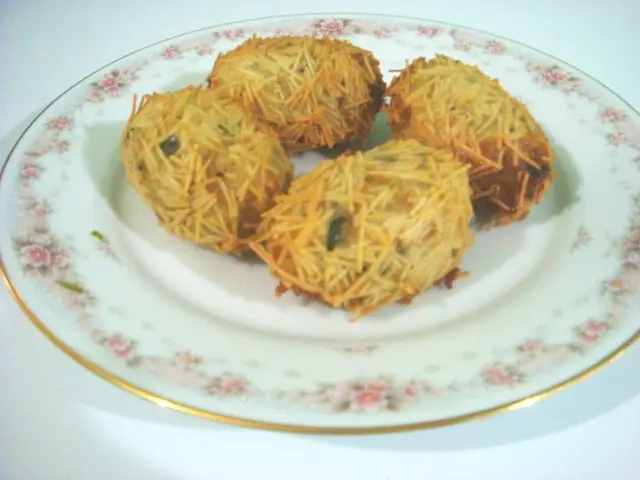
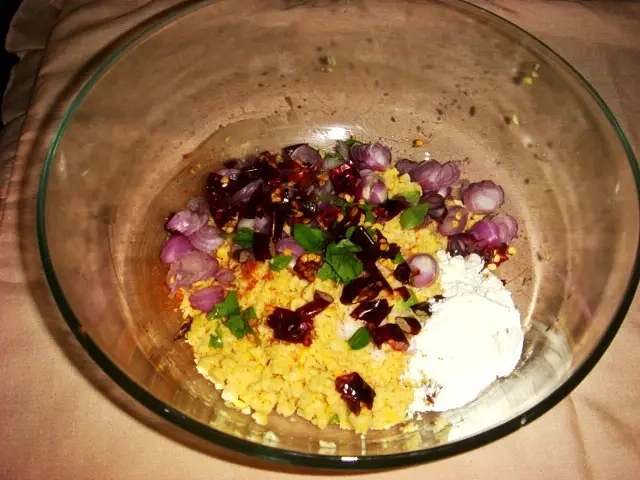
Chana dhal vada, crispy South Asian lentil fritters made from coarsely ground split chickpeas spiced with chili, curry leaves, and chat masala, then deep-fried golden. A vegan tea-time snack with chutney.
Wok-seared chicken in a smoky tomatillo-mole sauce with roasted garlic, chipotle, and coffee. Served over egg noodles with jalapeño Jack cheese and a fresh platter of jicama, cucumber, and radishes.
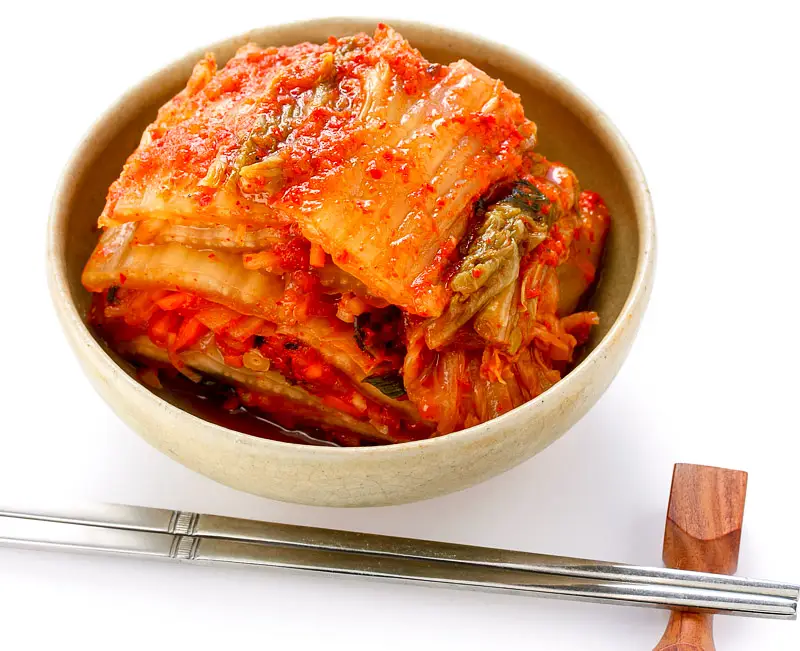
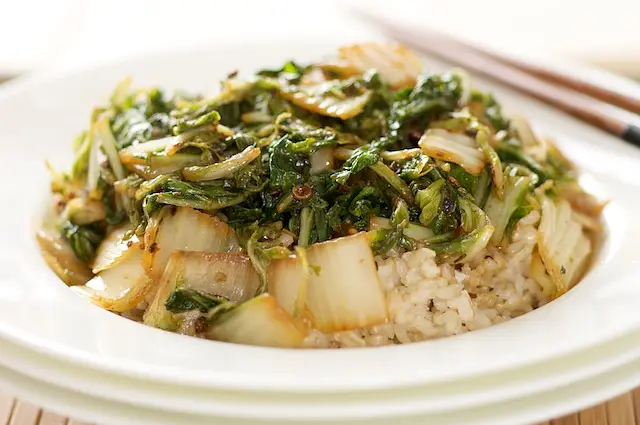
Korean kimchi made with napa cabbage soaked in salted water, then fermented with garlic, ginger, scallions, and Korean chili pepper. Simple traditional fermented relish.
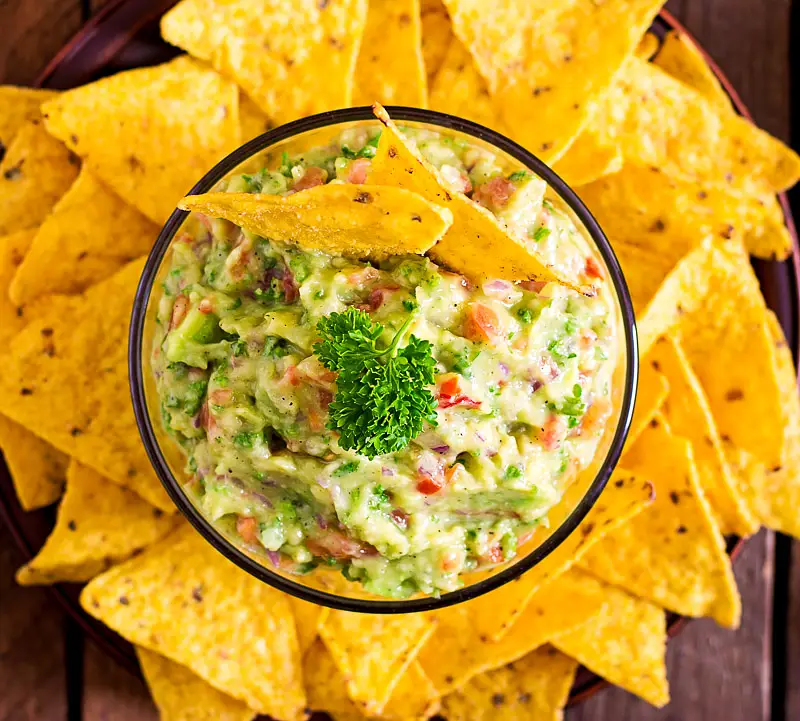
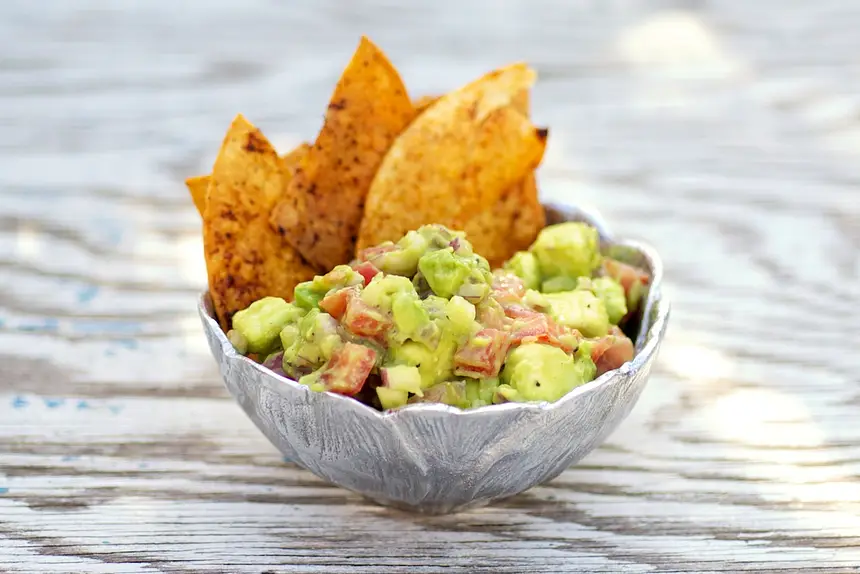
Freezer-friendly guacamole with mashed avocado, chili peppers, onion, and white vinegar. Make it ahead and freeze, then thaw and stir in fresh tomato before serving.
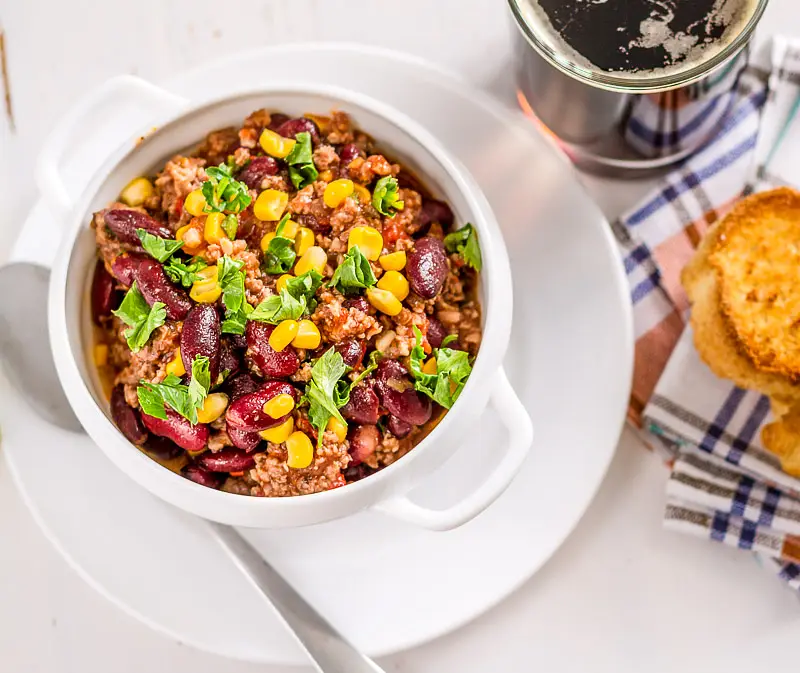
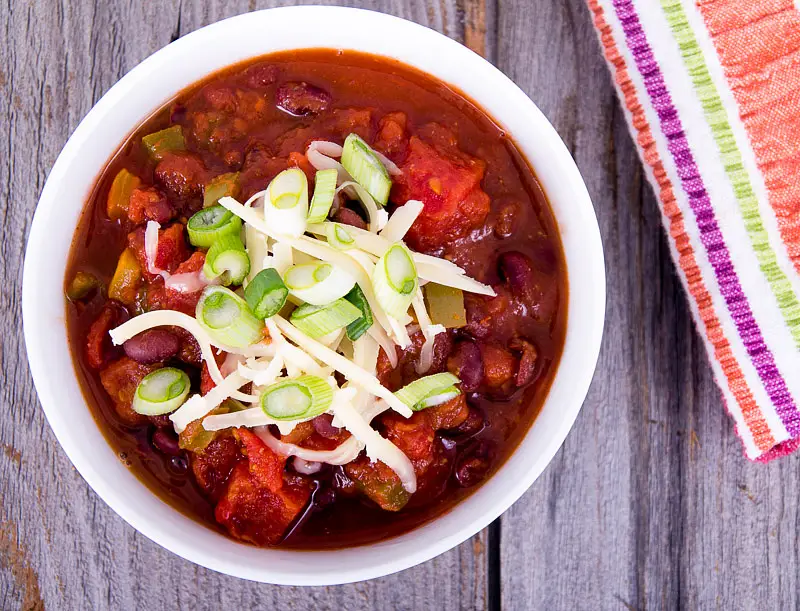
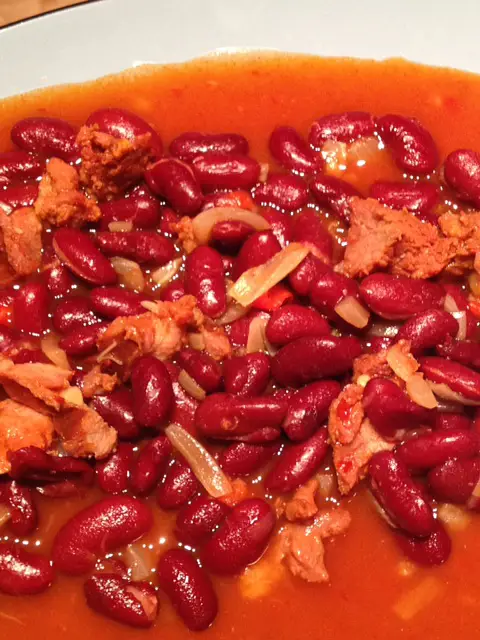
Quick weeknight chili with ground round, kidney beans, chipotle in adobo, black olives, and a splash of oregano vinegar. Hearty 60-minute one-pot dinner.
Smoky chipotle tomatillo salsa with charred tomatillos, pureed chipotles in adobo, red onion and cilantro. Tart, smoky and vegan, with a deep building heat that's a world above any jar.
Ulundu vadai, crispy South Asian urad dal fritters shaped into little doughnut rings, spiced with chili, curry leaves, and ginger, then deep-fried golden. Crunchy outside, fluffy within, with chutney.
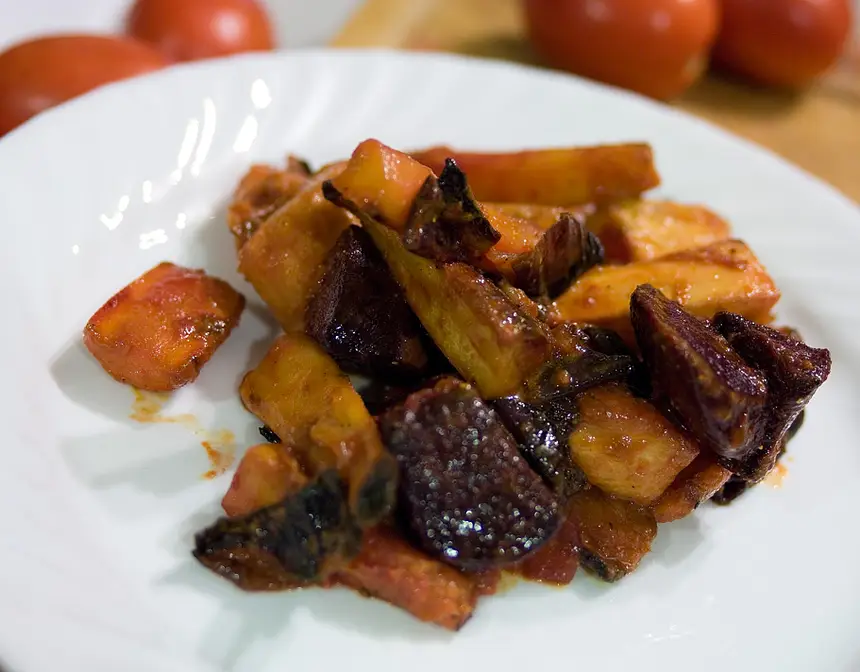
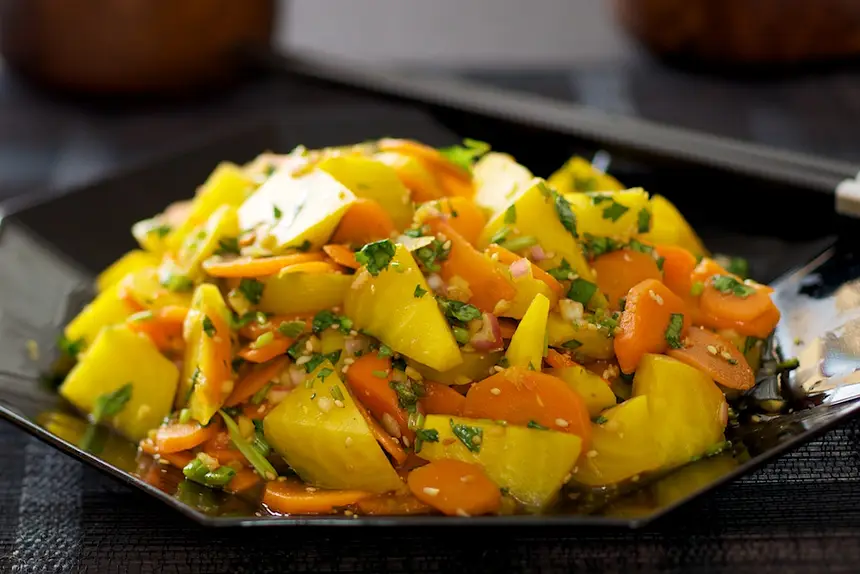
Thanksgiving comes to mind! Healthy and interesting recipe. From my MIL's recipes but I think she got this from her SIL! This could be a salad or a side dish and could be made a day ahead and brought to room temperature before serving.
Layered corn tortilla casserole with Monterey Jack, sweet corn, green onions, and diced chili peppers in a tangy buttermilk-egg custard. A Tex-Mex weeknight dinner ready in 40 minutes flat.
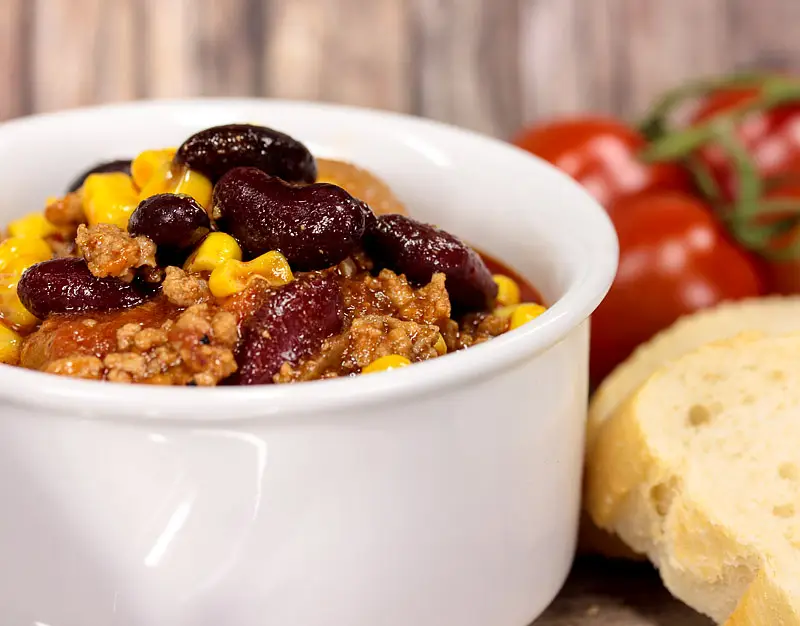
Robust beer chili with ground beef, fire-roasted peppers, and kidney beans. The beer adds malty depth while three-hour simmer creates complex, layered flavor.
Robust beer chili with ground beef, fire-roasted peppers, and kidney beans. The beer adds malty depth while three-hour simmer creates complex, layered flavor.
Caribbean calabaza soup pureed silky with coconut milk, scallions, garlic, fenugreek, cumin, and allspice. Vegan, naturally creamy, and full of warm island spice.
Vegetarian Pad Thai with rice noodles, scrambled eggs, mung bean sprouts, grated carrots, and crushed peanuts in a tangy lime-fish sauce. Ready in 30 minutes.
Found this recipe on heatherchristo's blog. It looks beautiful and sounds delicious, I have all the ingredients on hand, and will have to give it a try very soon.
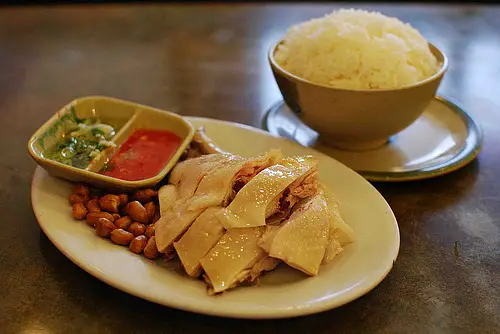
This dish, which originated on the island of Hainan, off the coast of Southern China, emphasizes the natural sweet flavour of an absolutely fresh chicken and served with rice that is cooked in chicken fat with garlic and then simmered in chicken stock.
Classic mole poblano, Mexico's legendary sauce: dried chiles, almonds, sesame, raisins, and warm spices pureed and slow-simmered with a touch of chocolate into a deep, complex sauce for poultry.
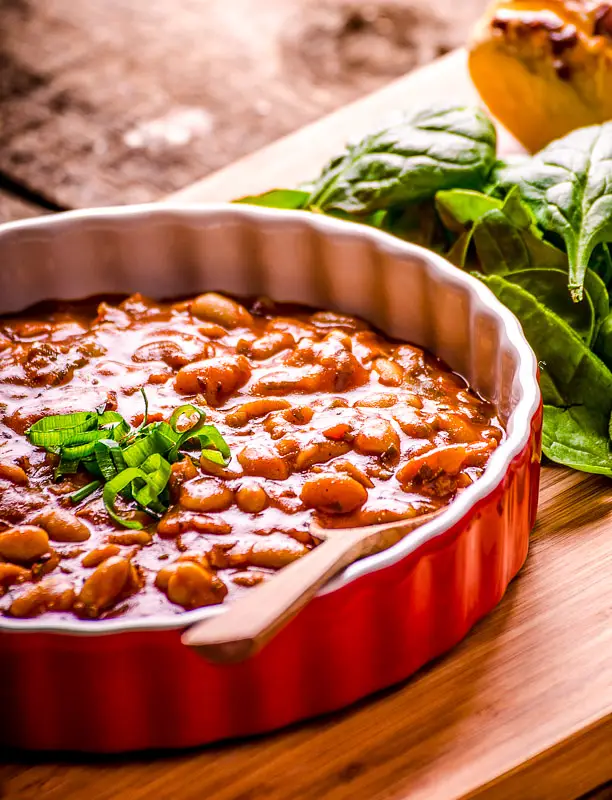
Spicy cowboy beans bake pinto beans with smoked ham, green chilies, brown sugar, and chili powder for a smoky-sweet Tex-Mex baked bean side. A long-simmered chuckwagon classic.